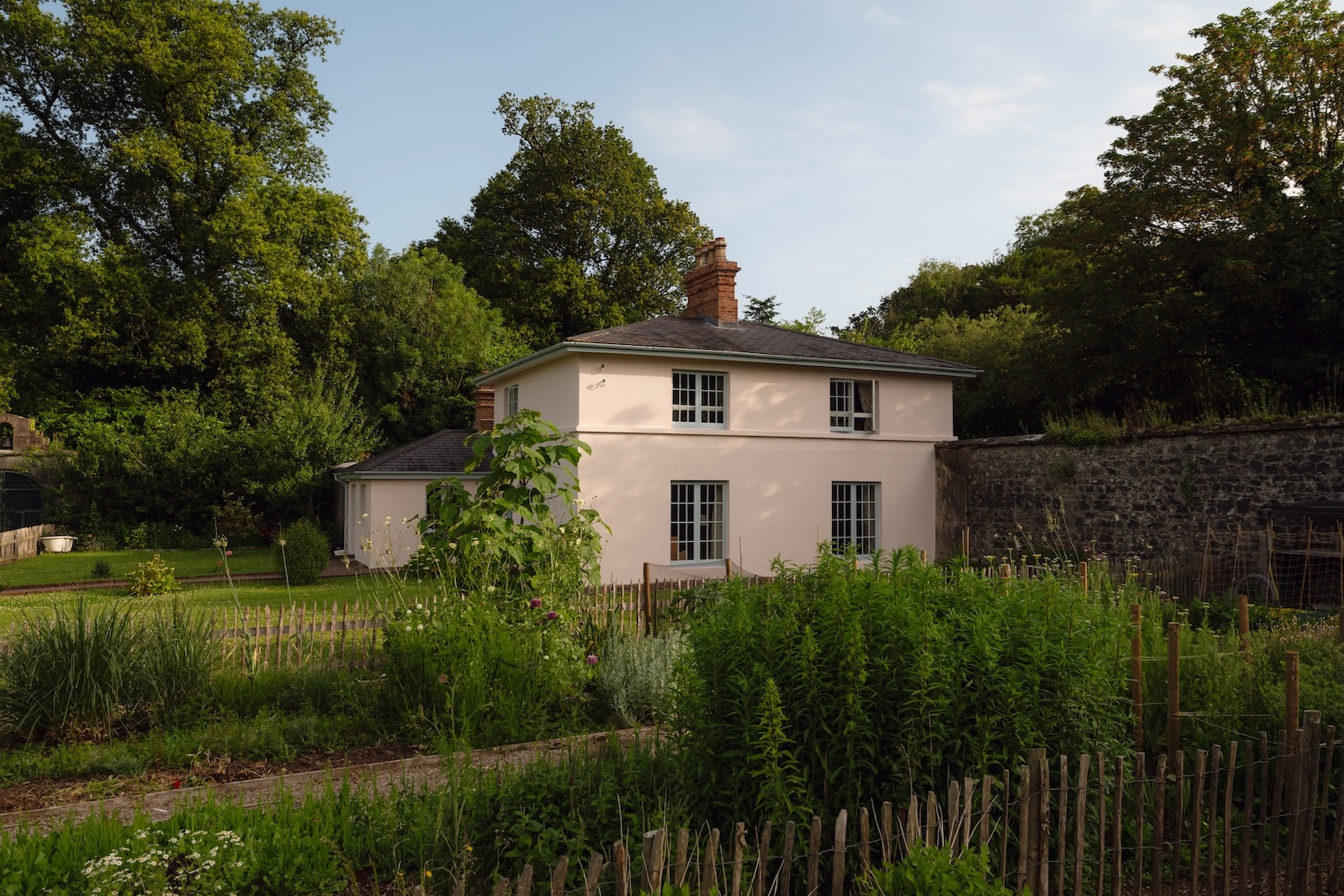
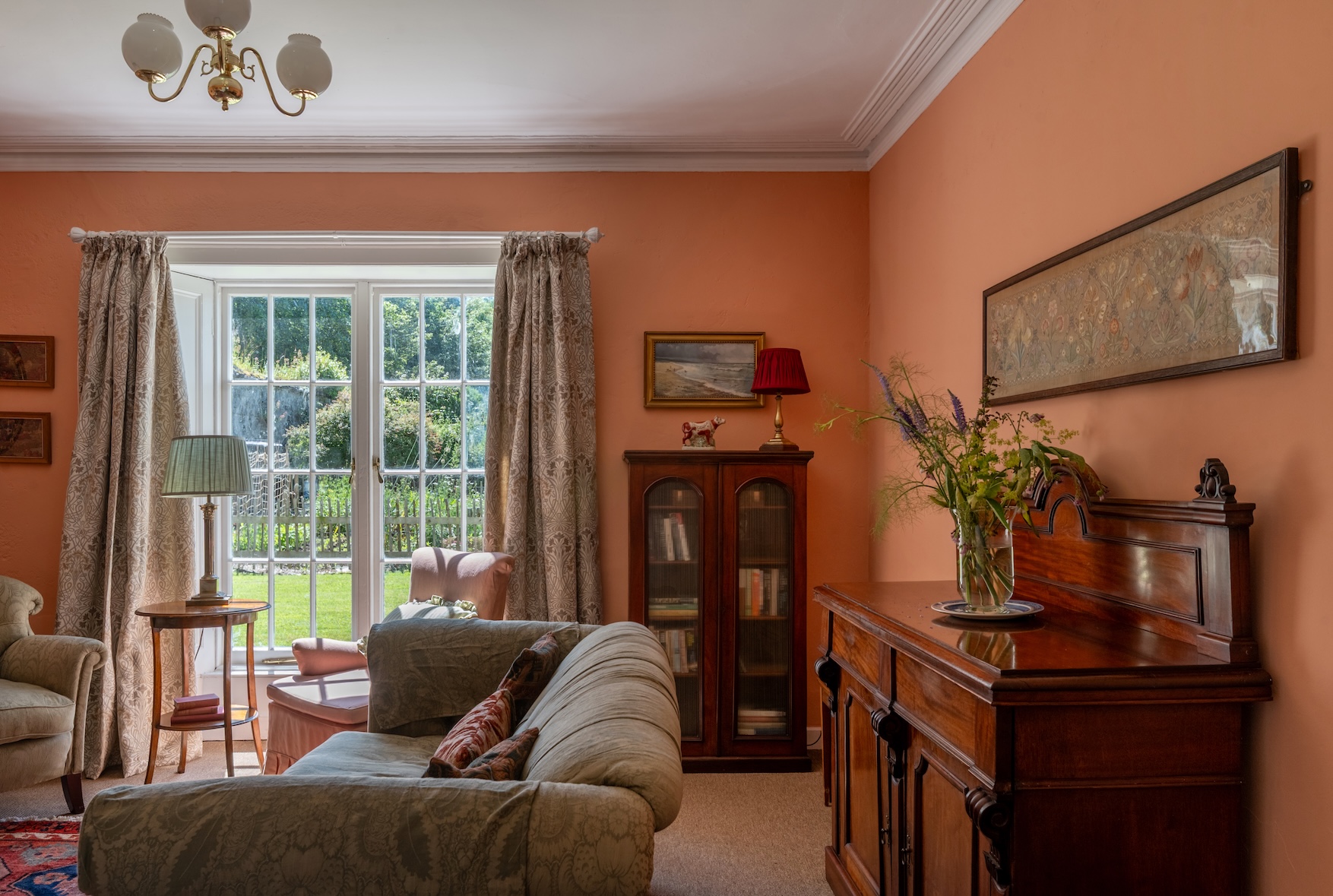
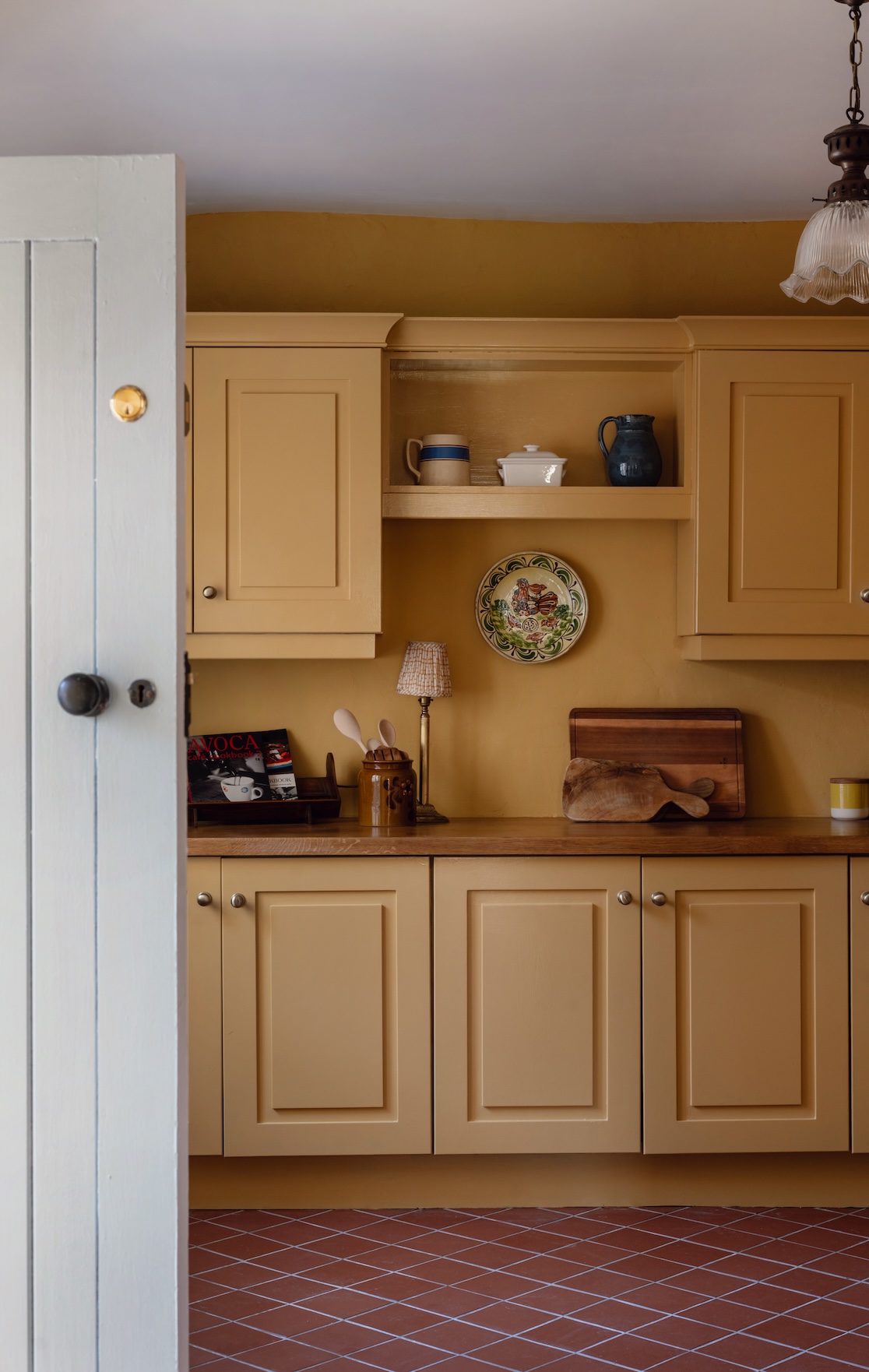
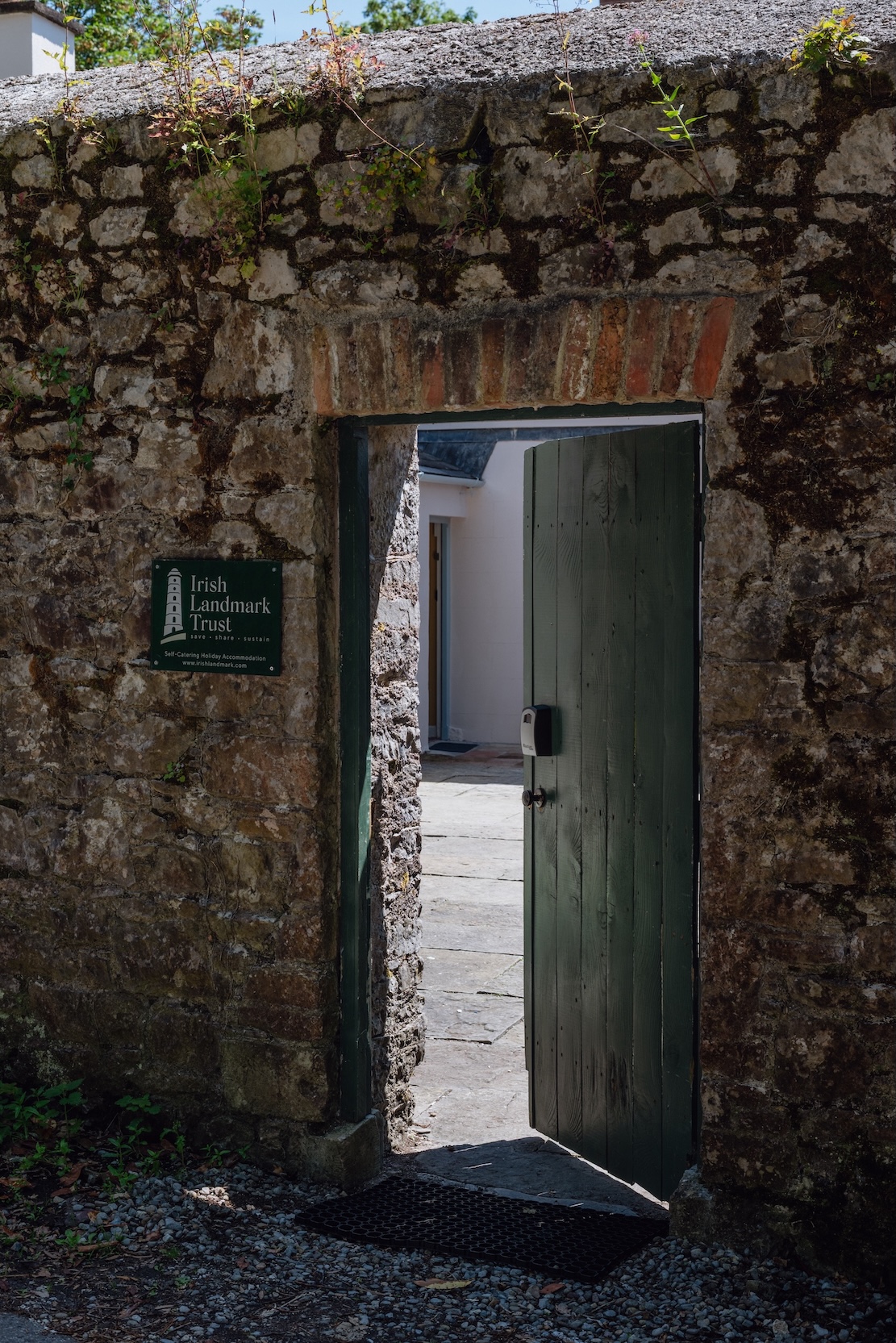
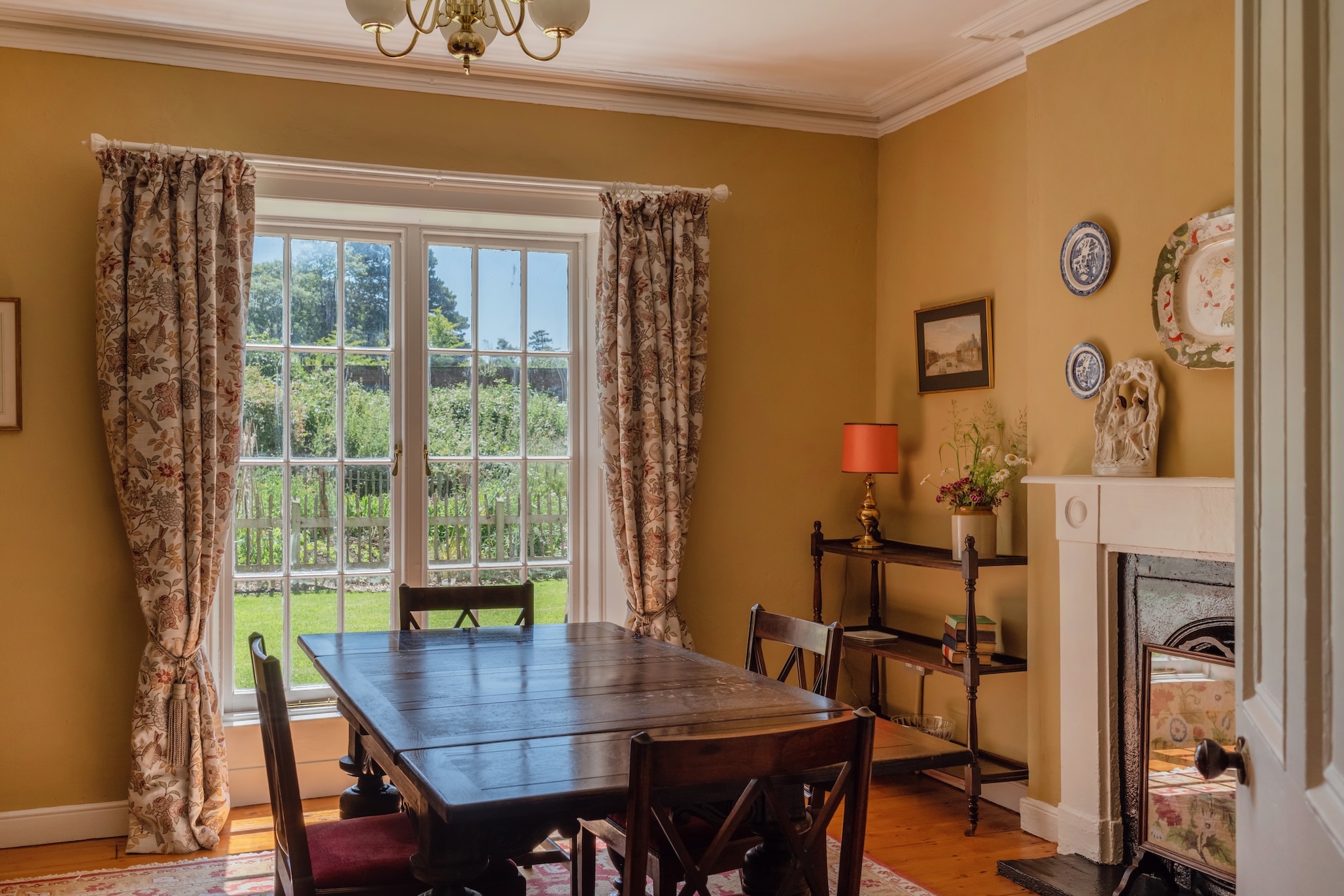
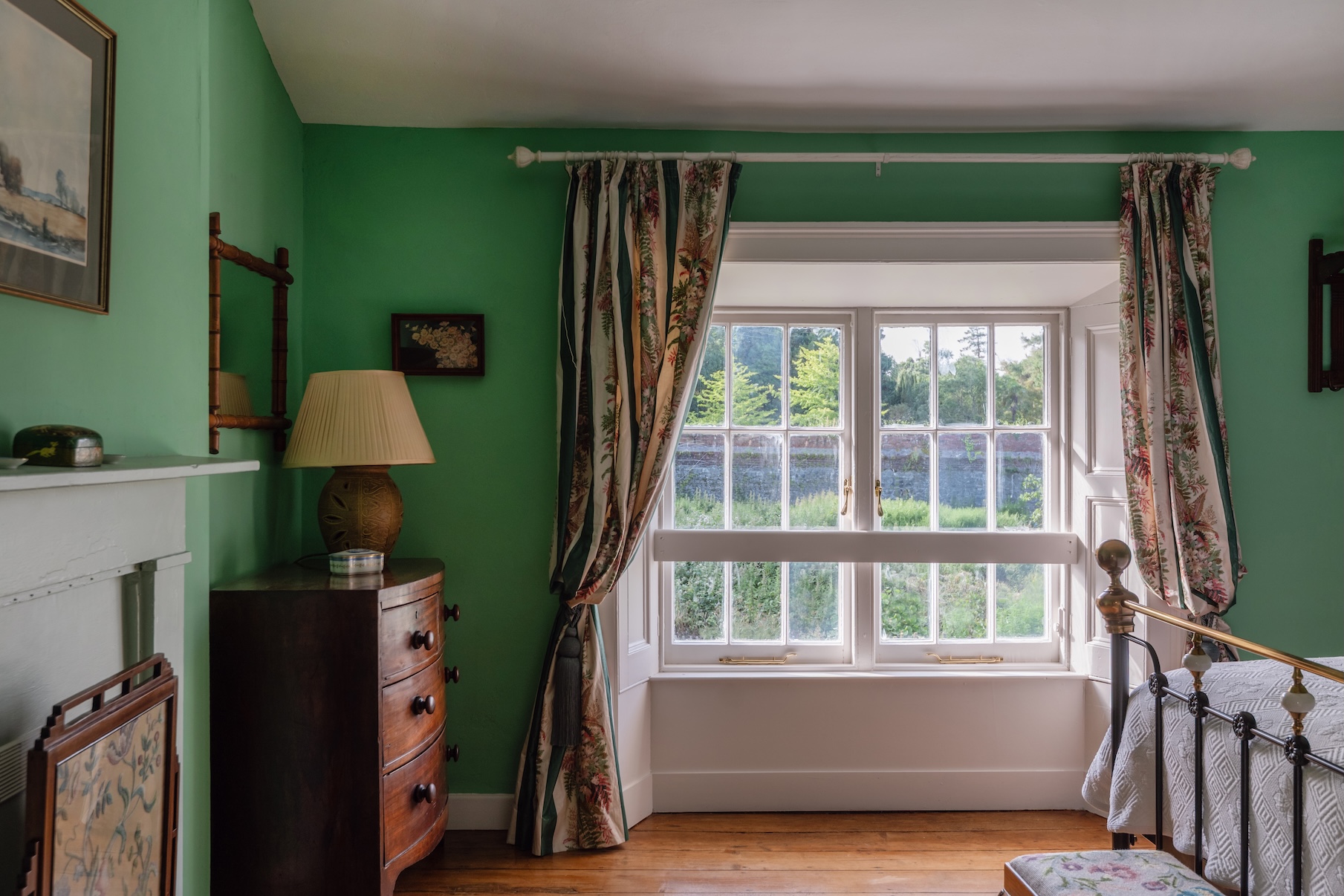
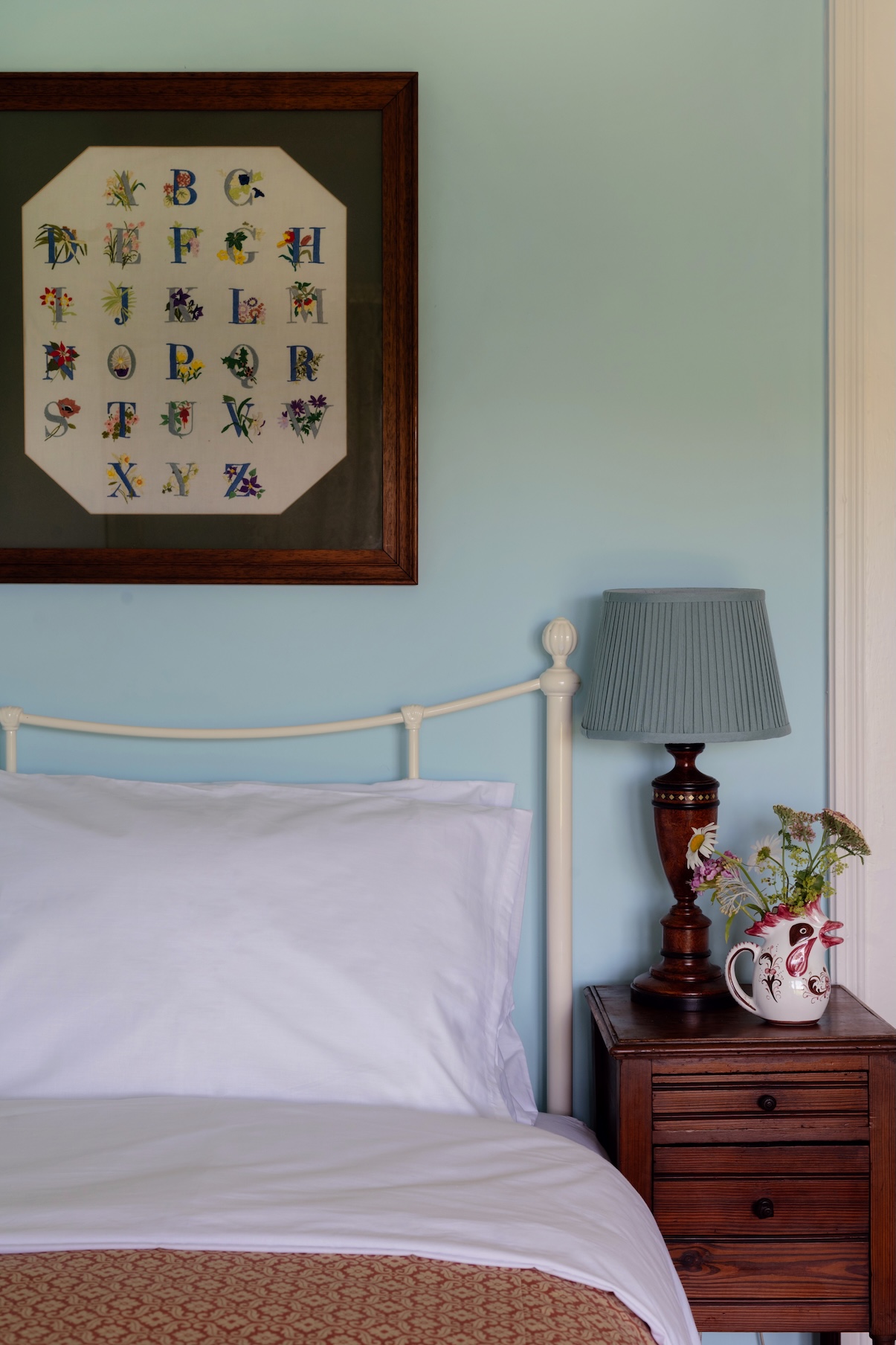
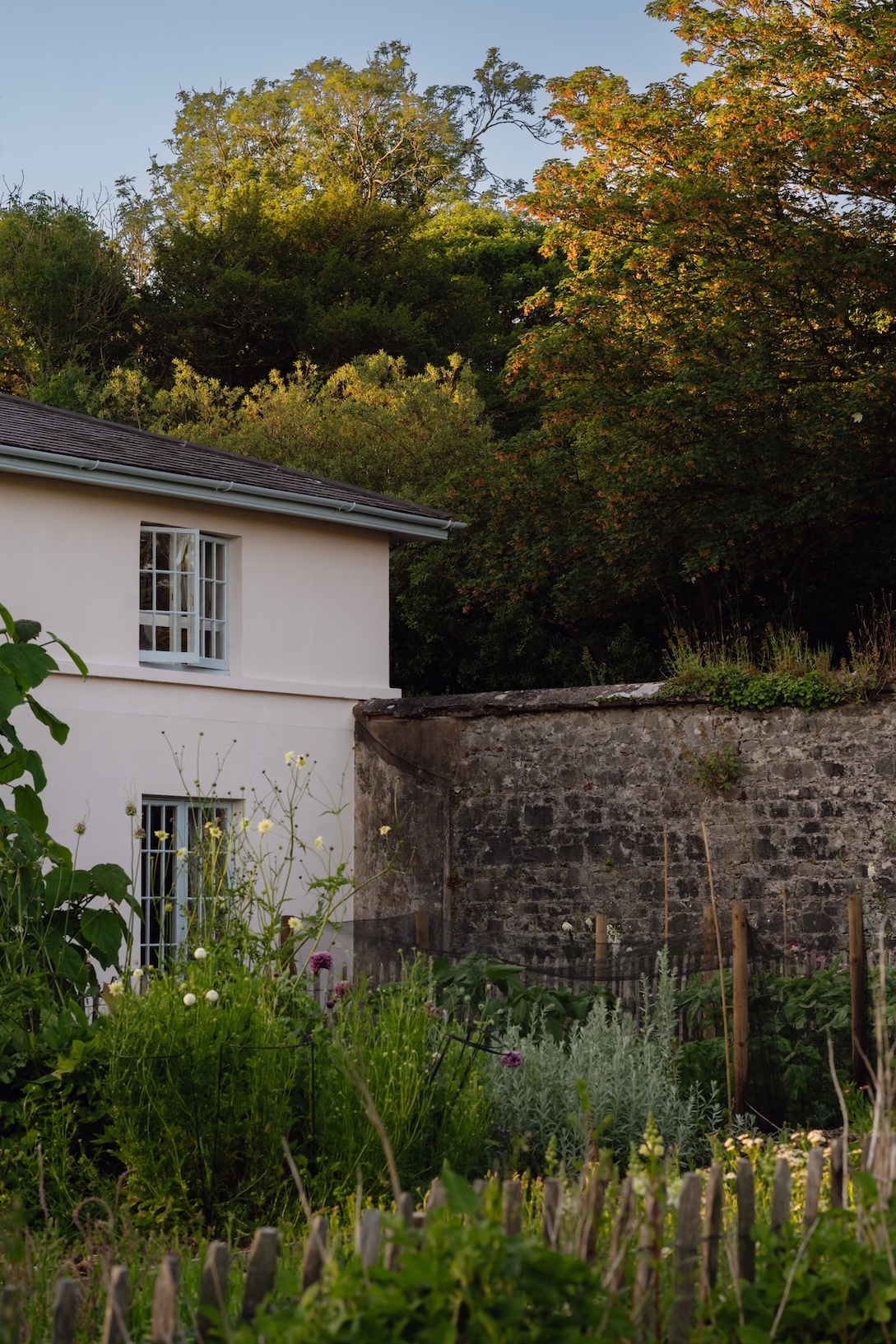
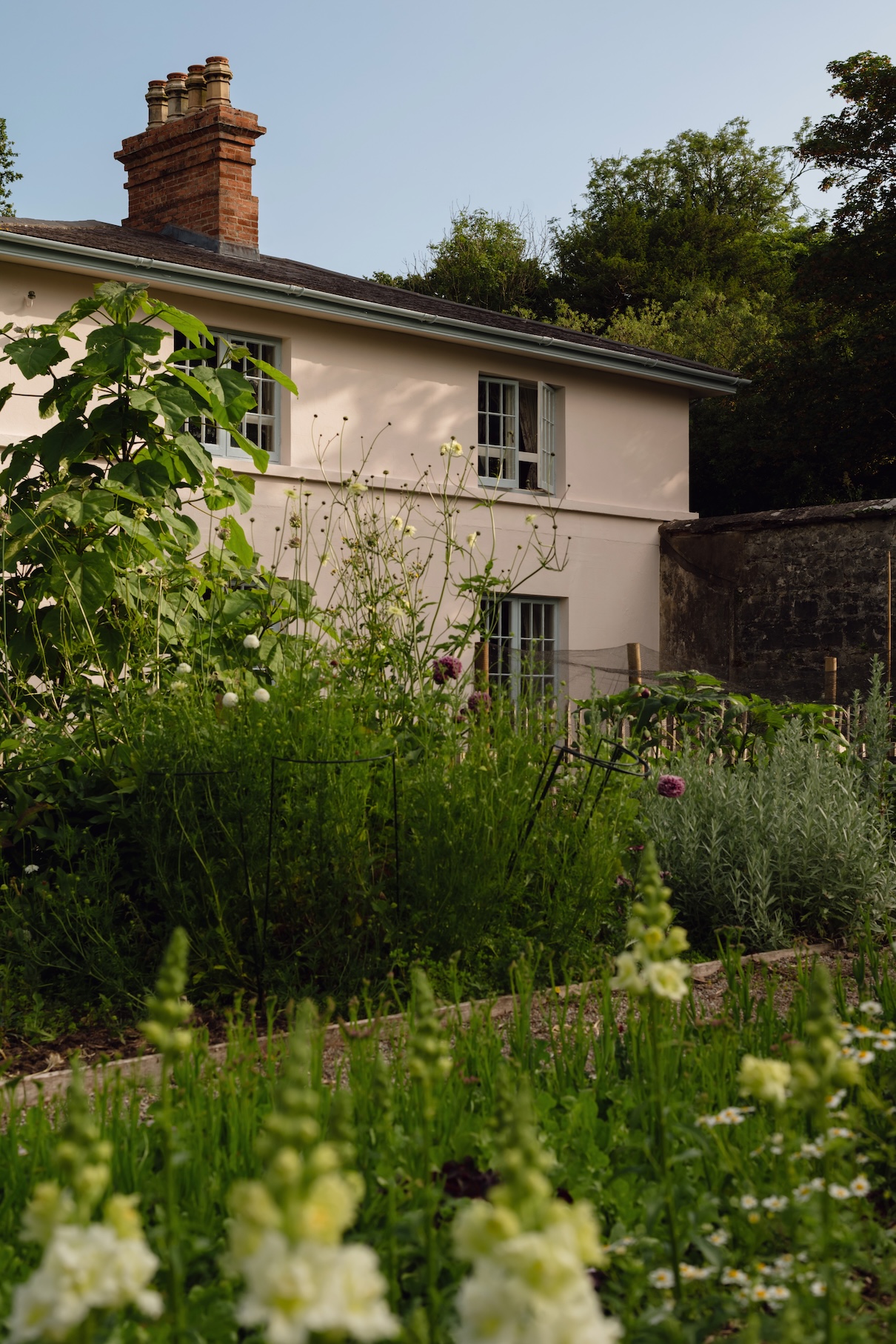
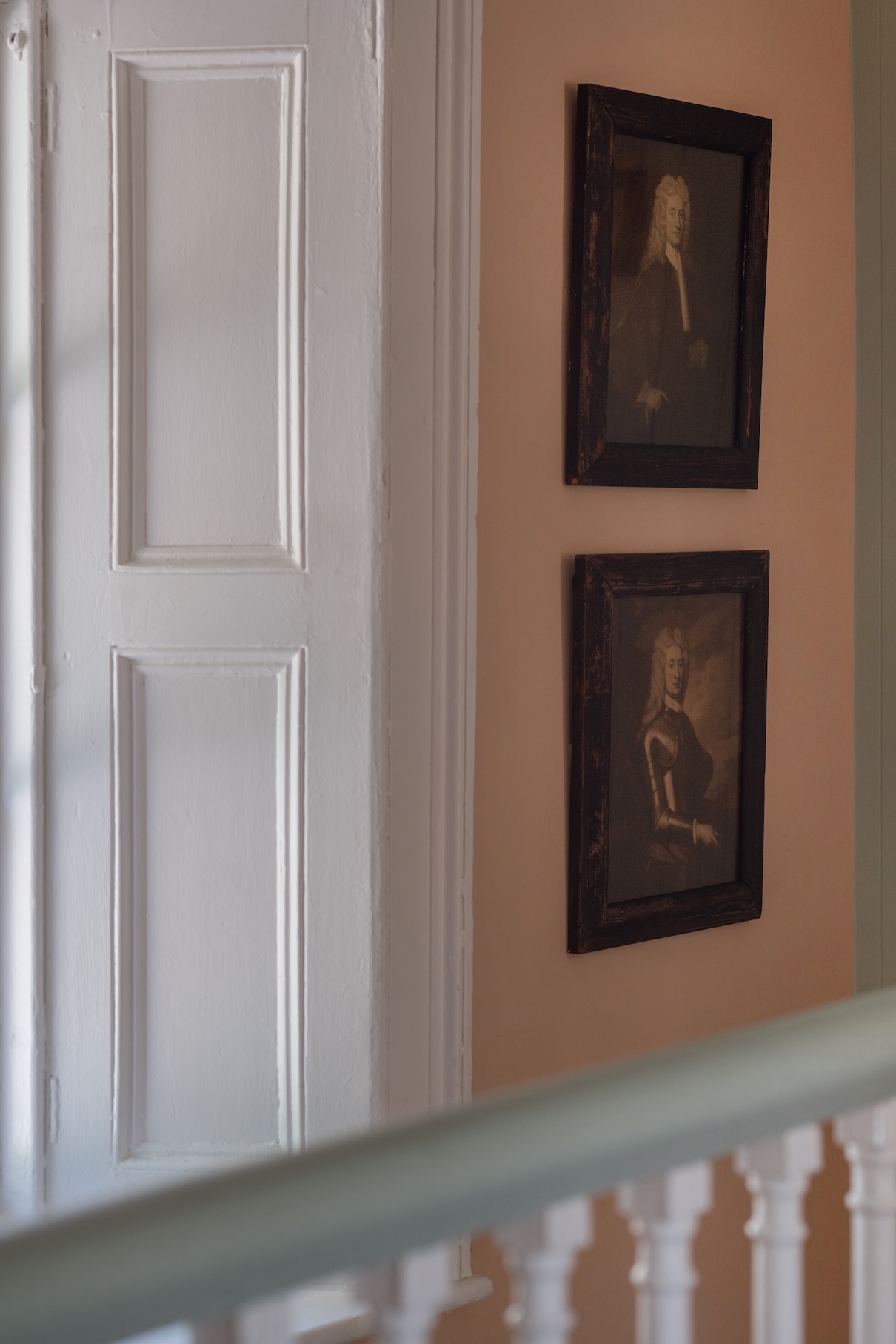
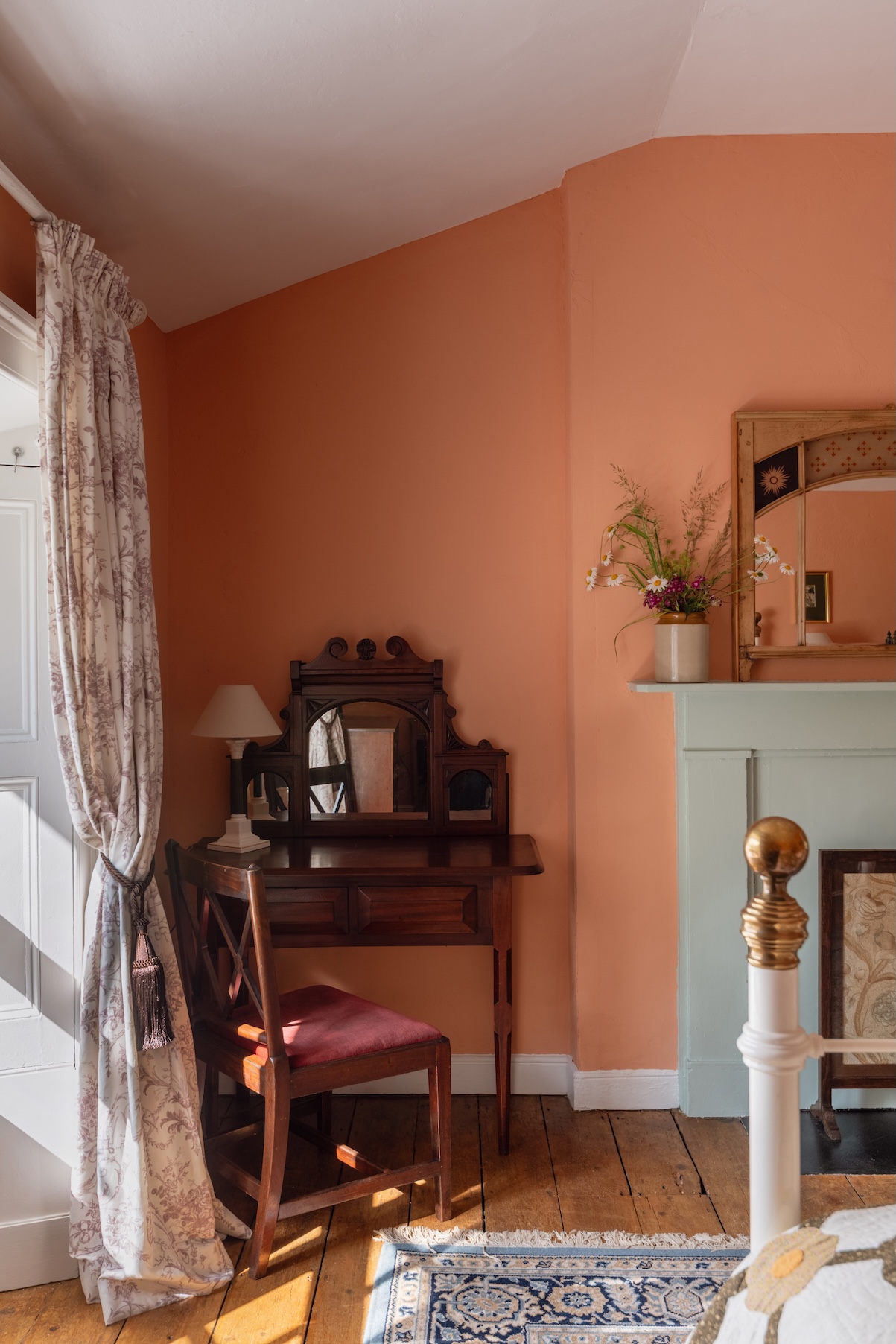
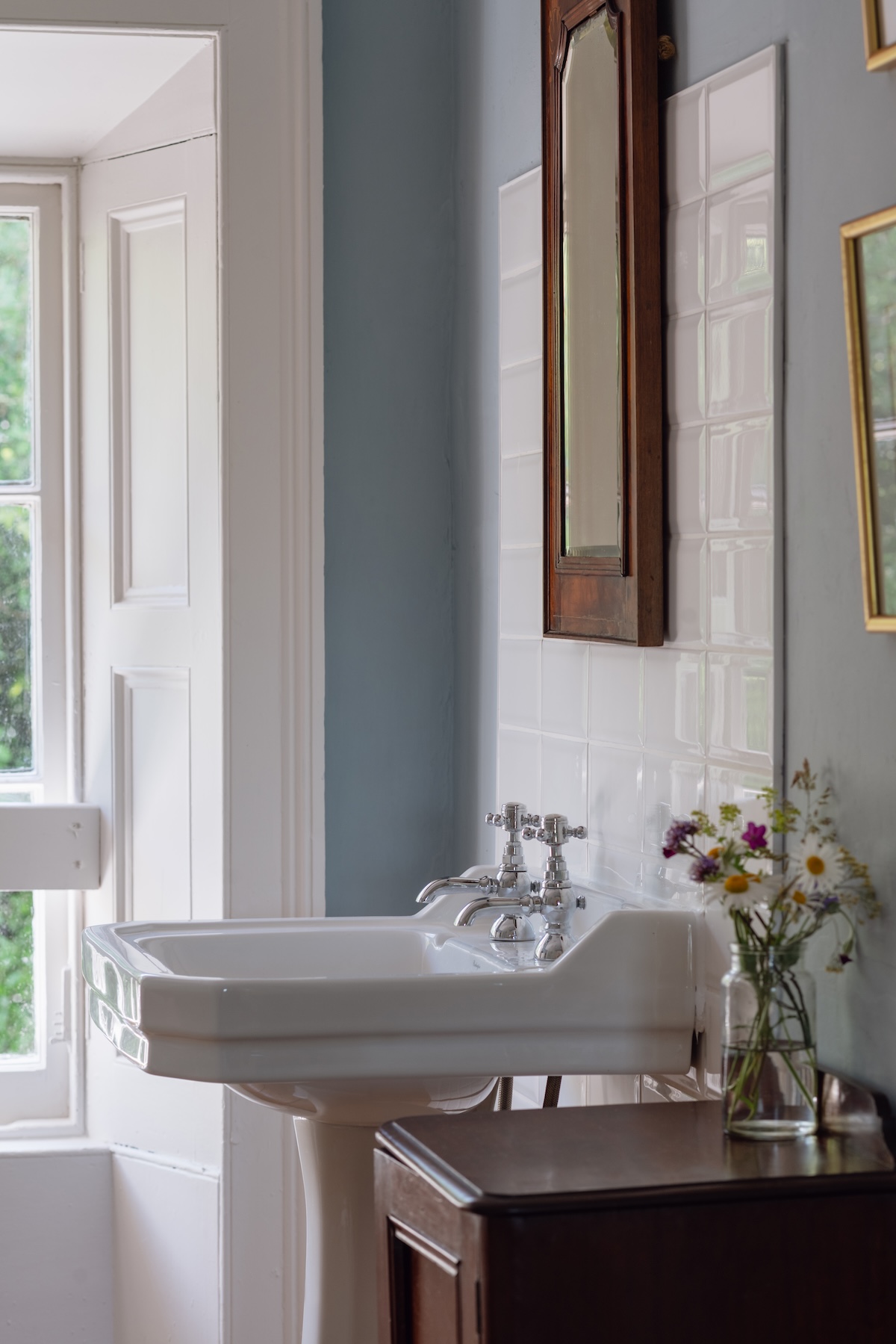
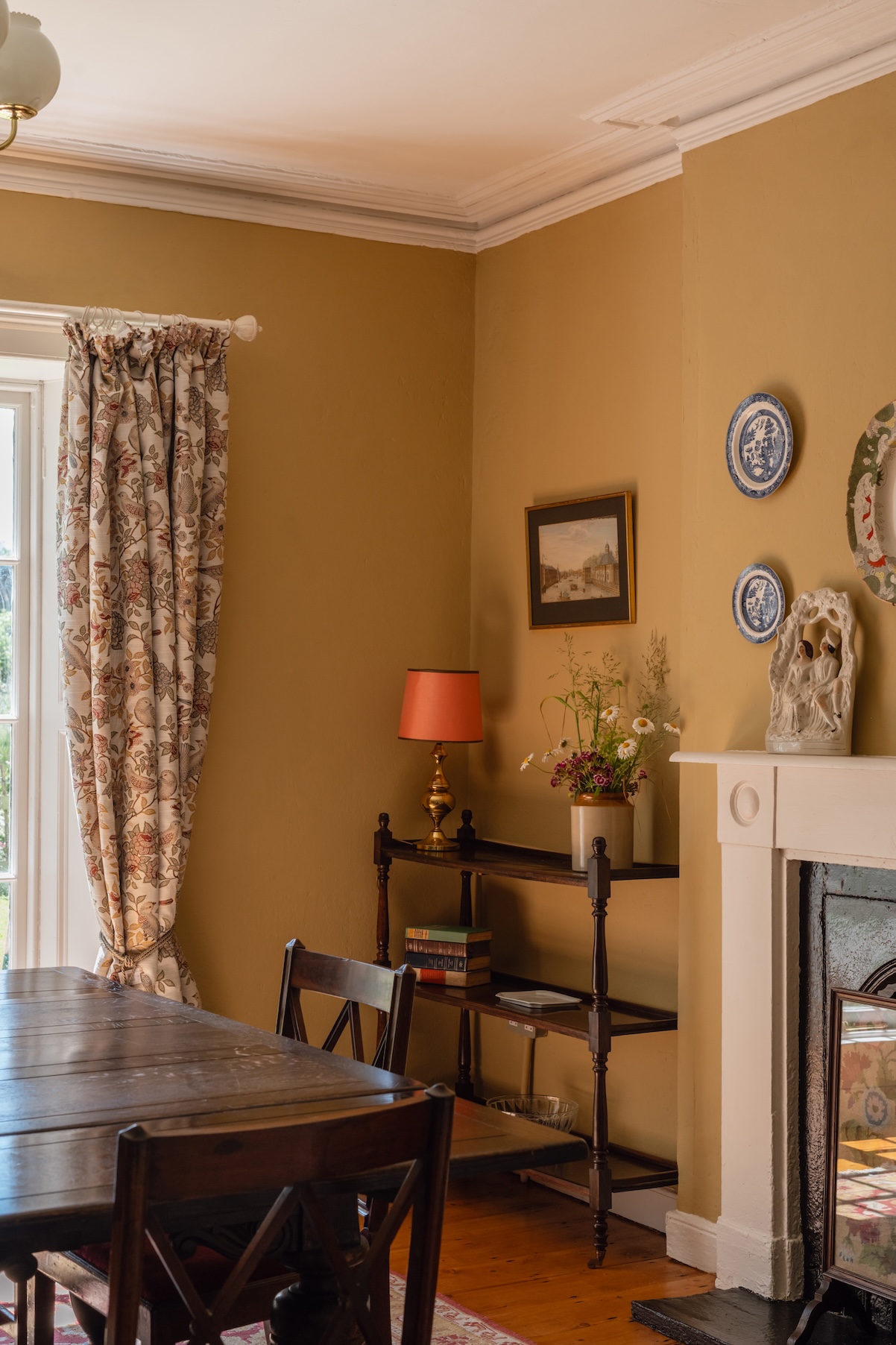
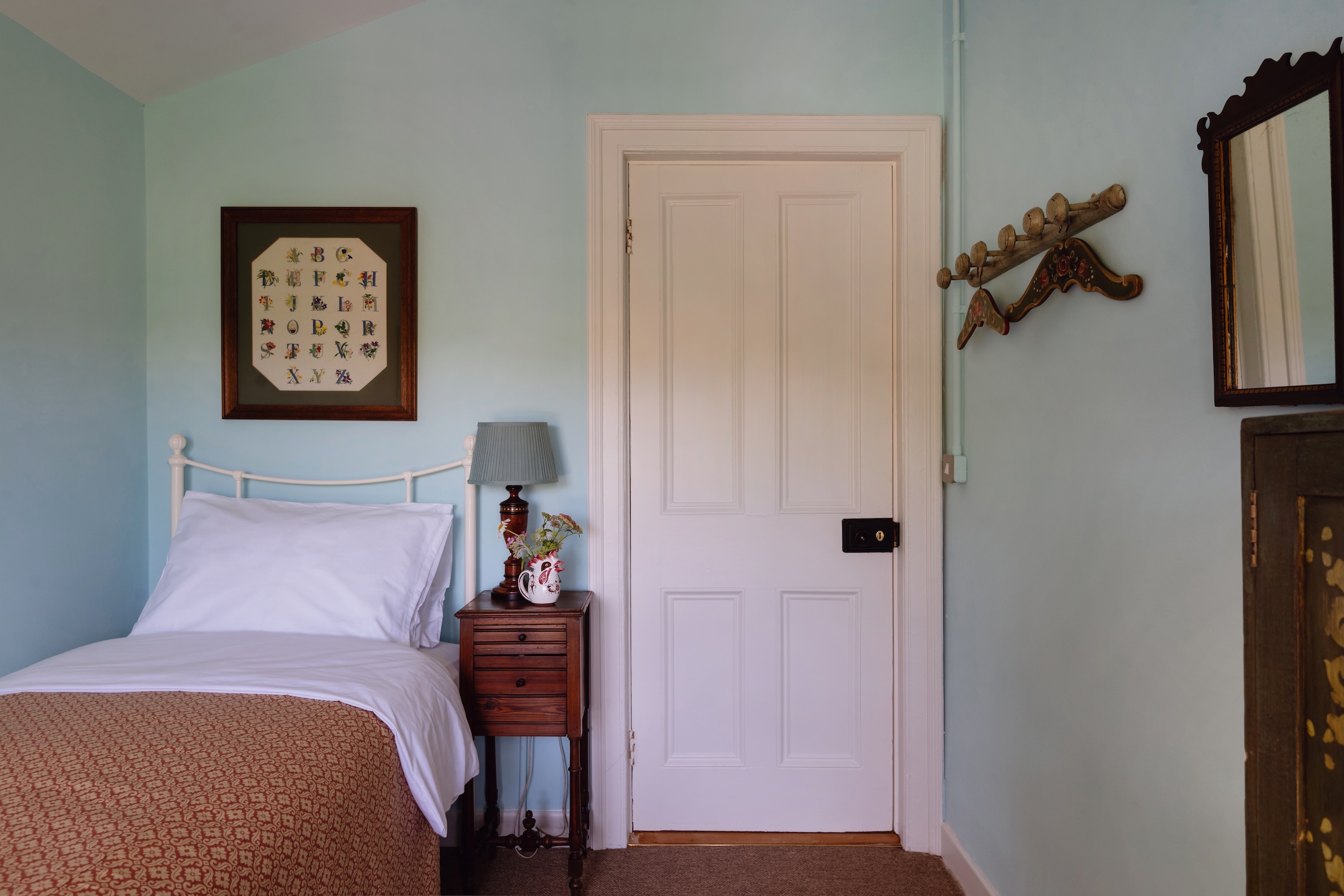
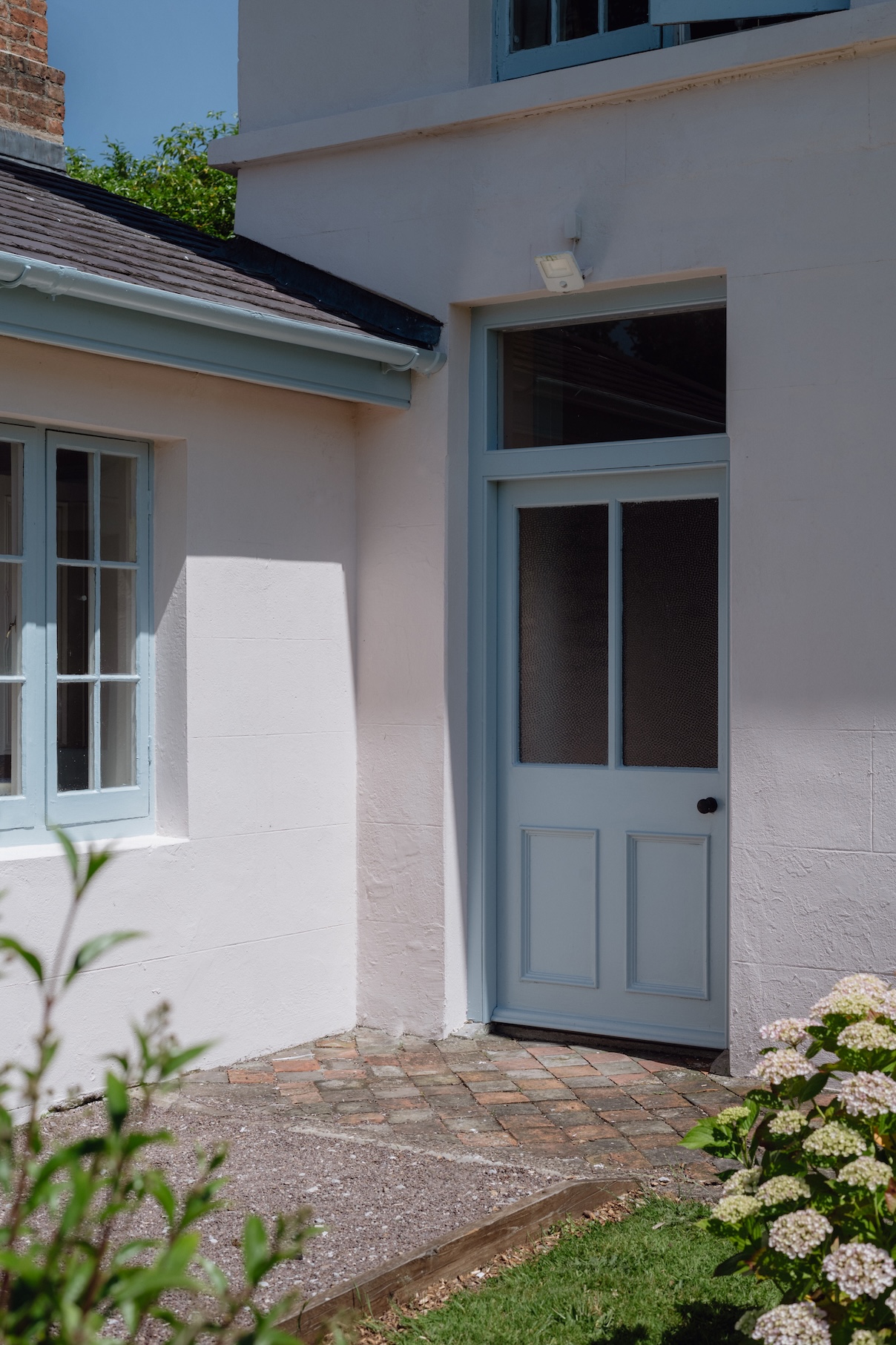
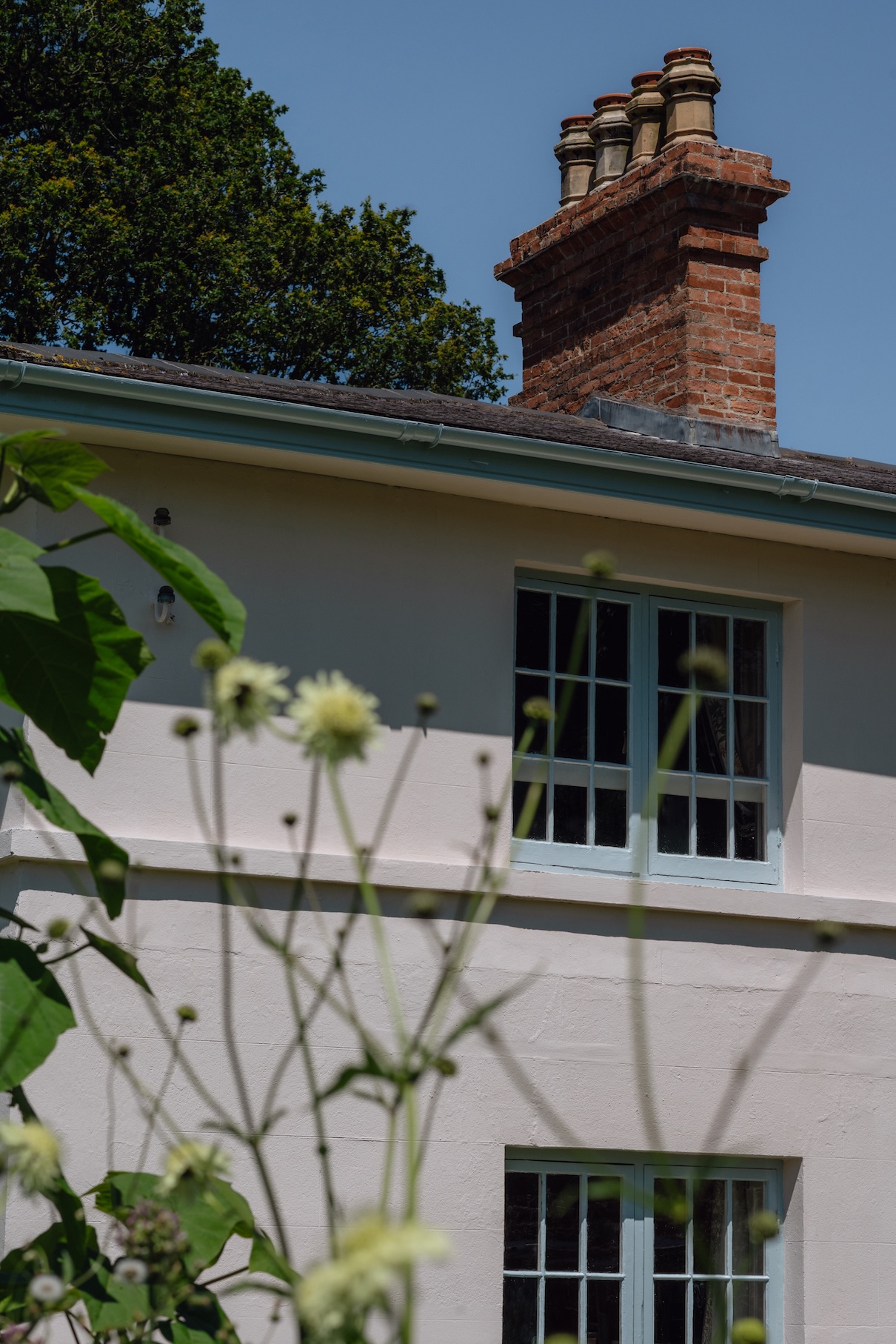
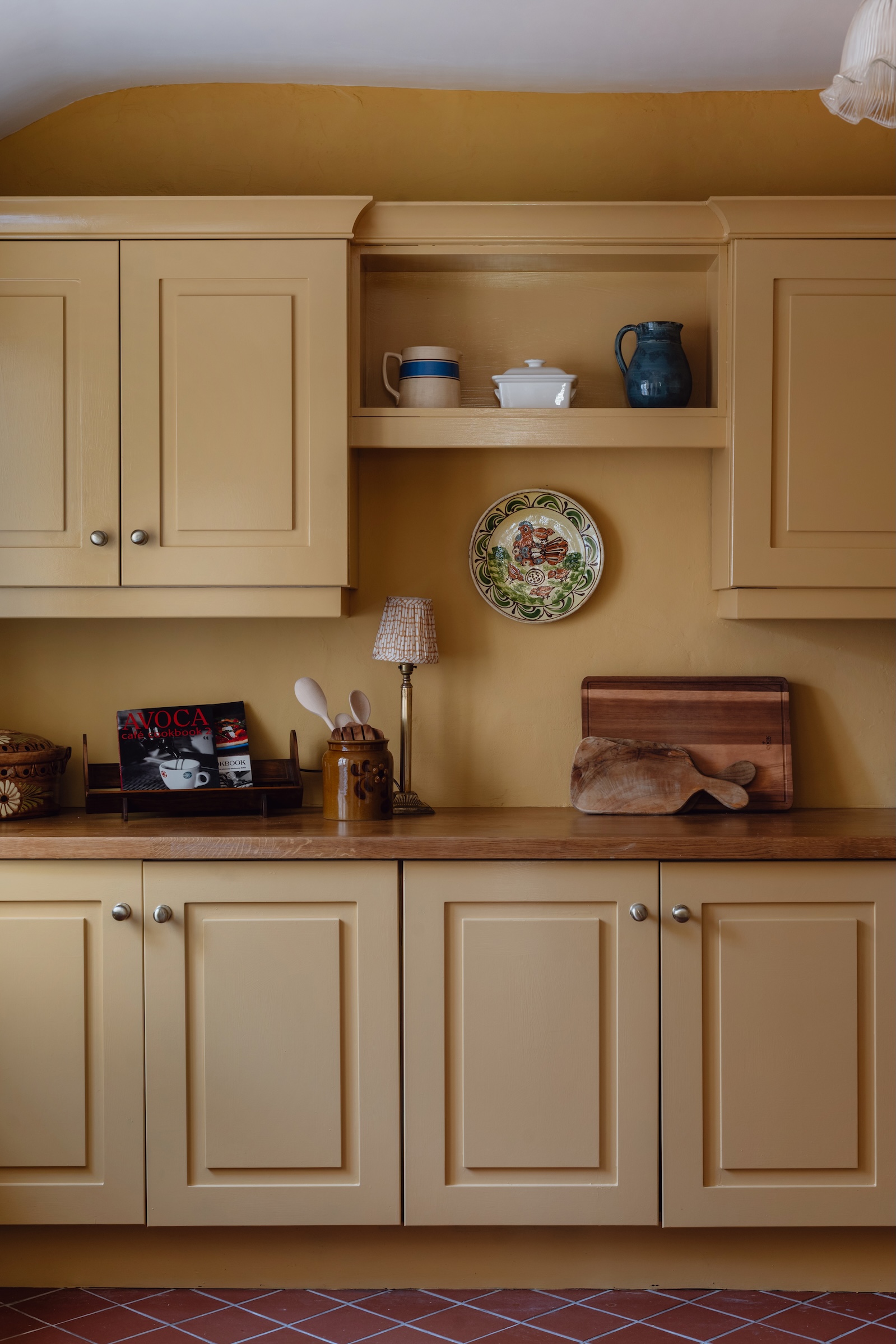
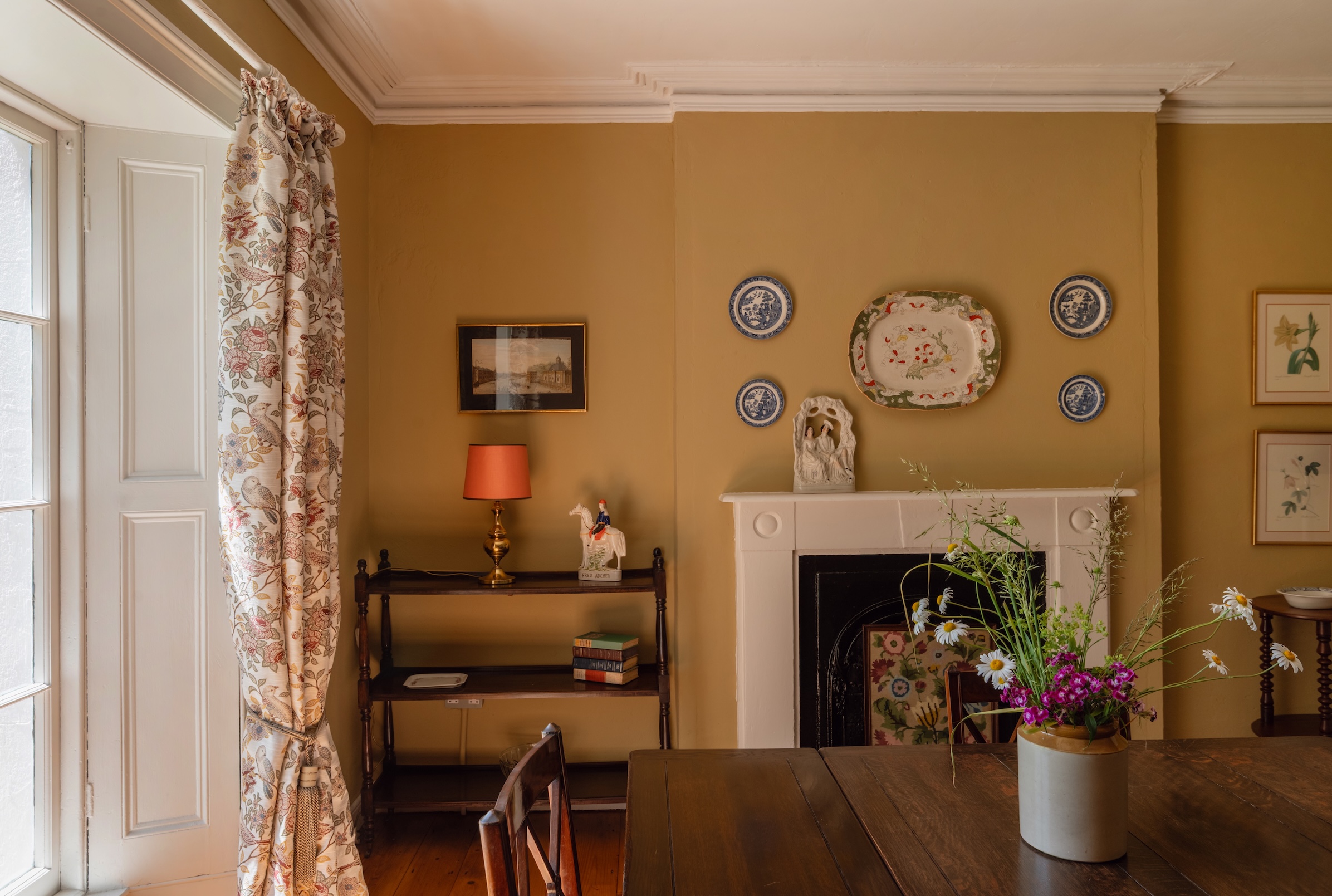
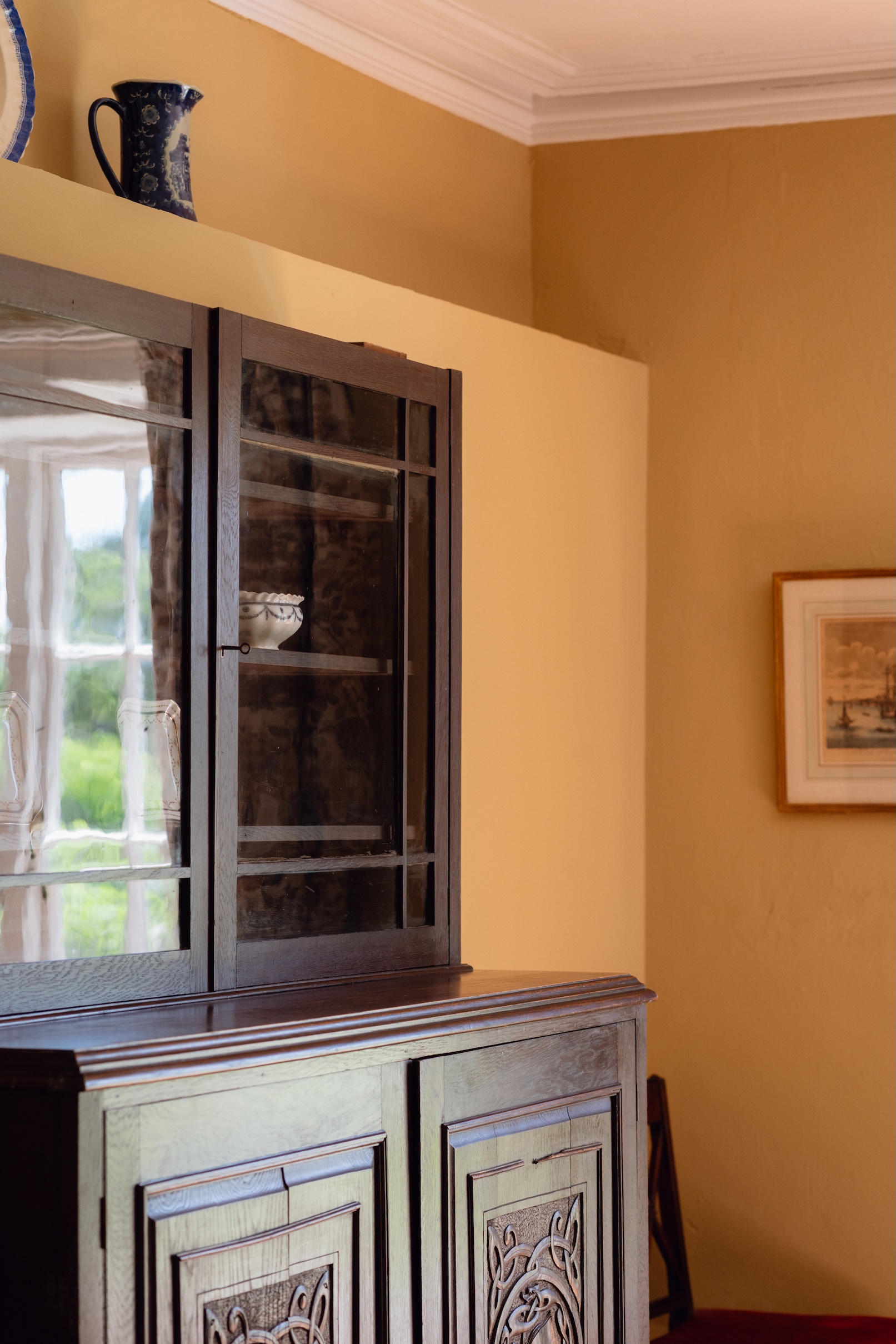
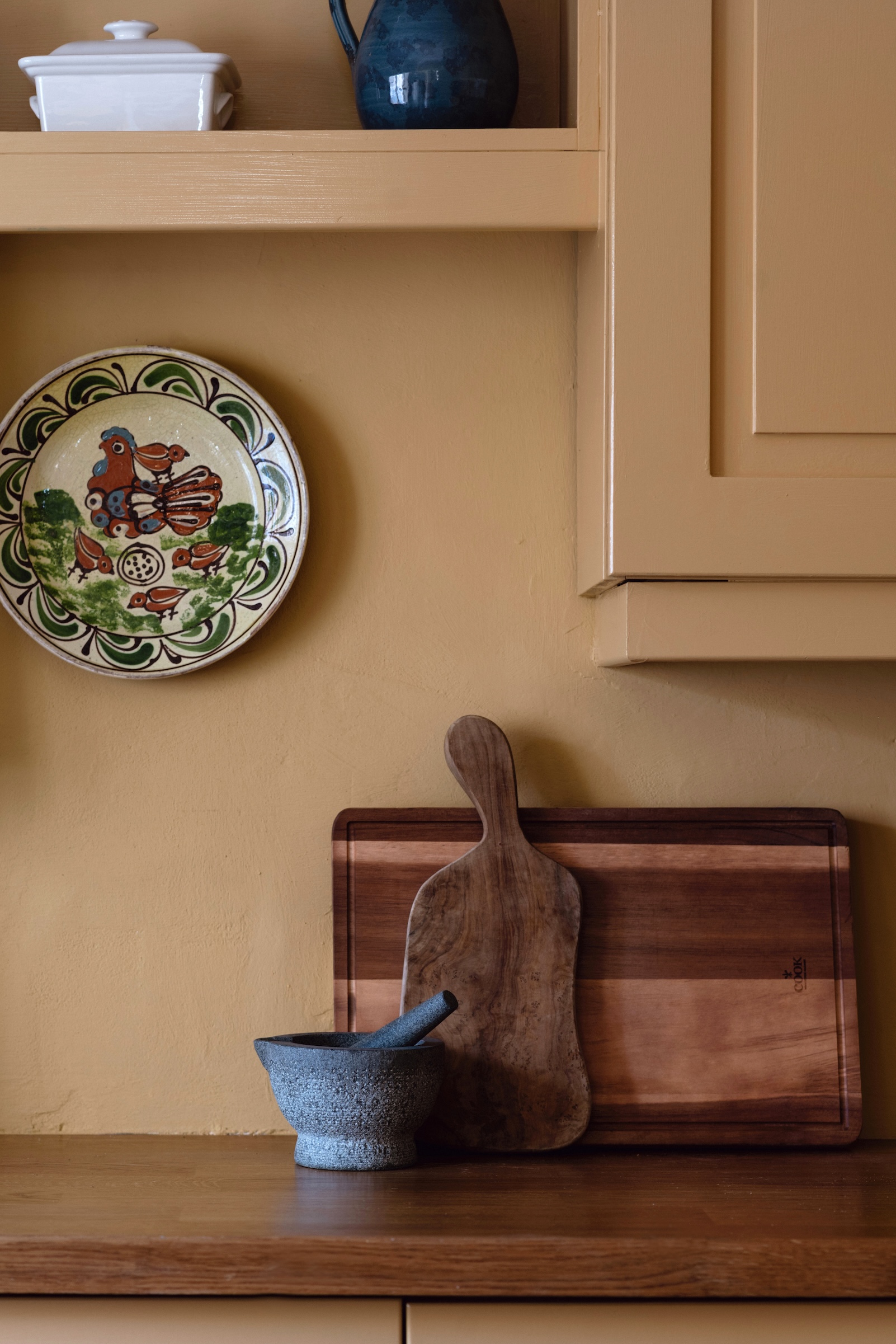
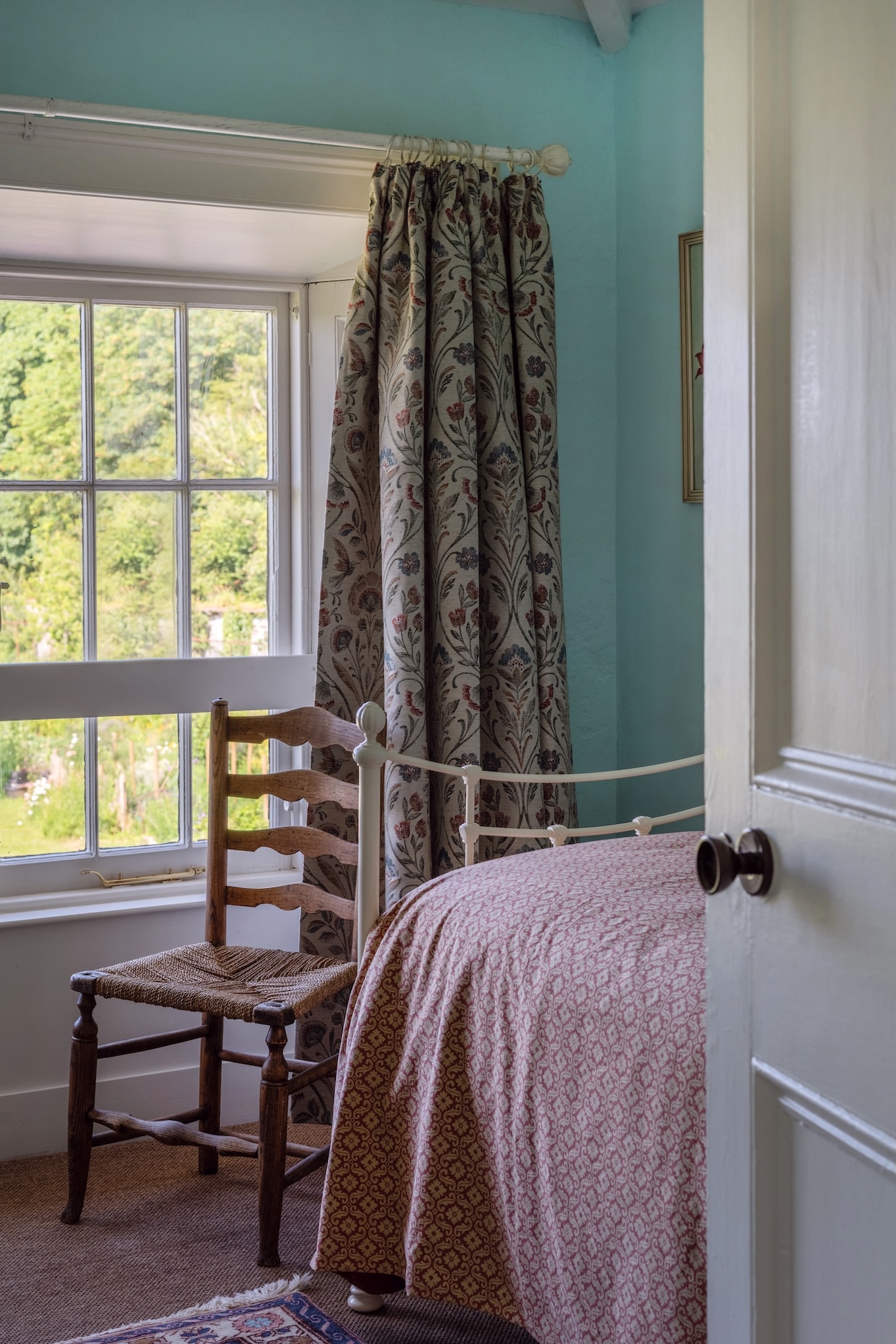
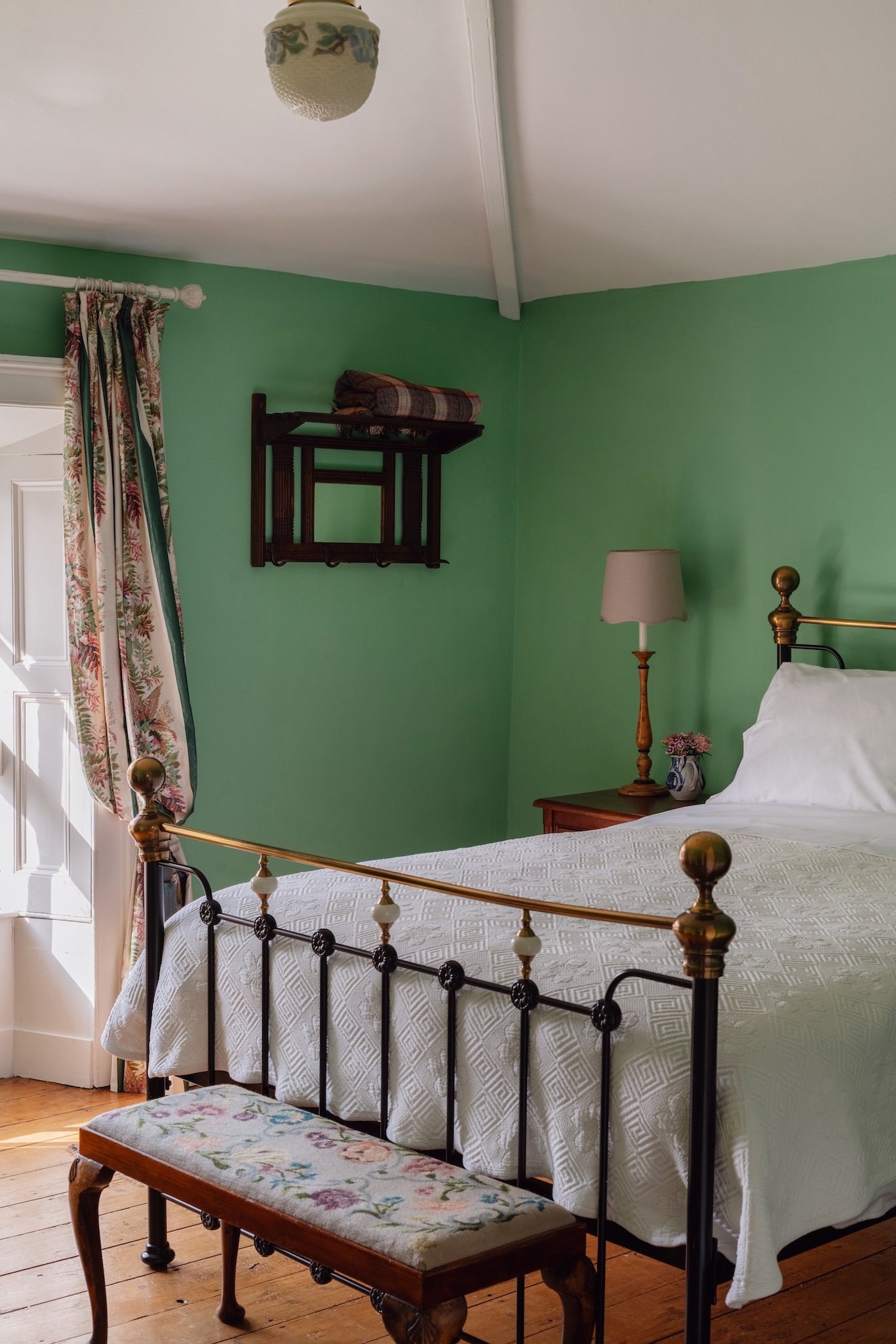
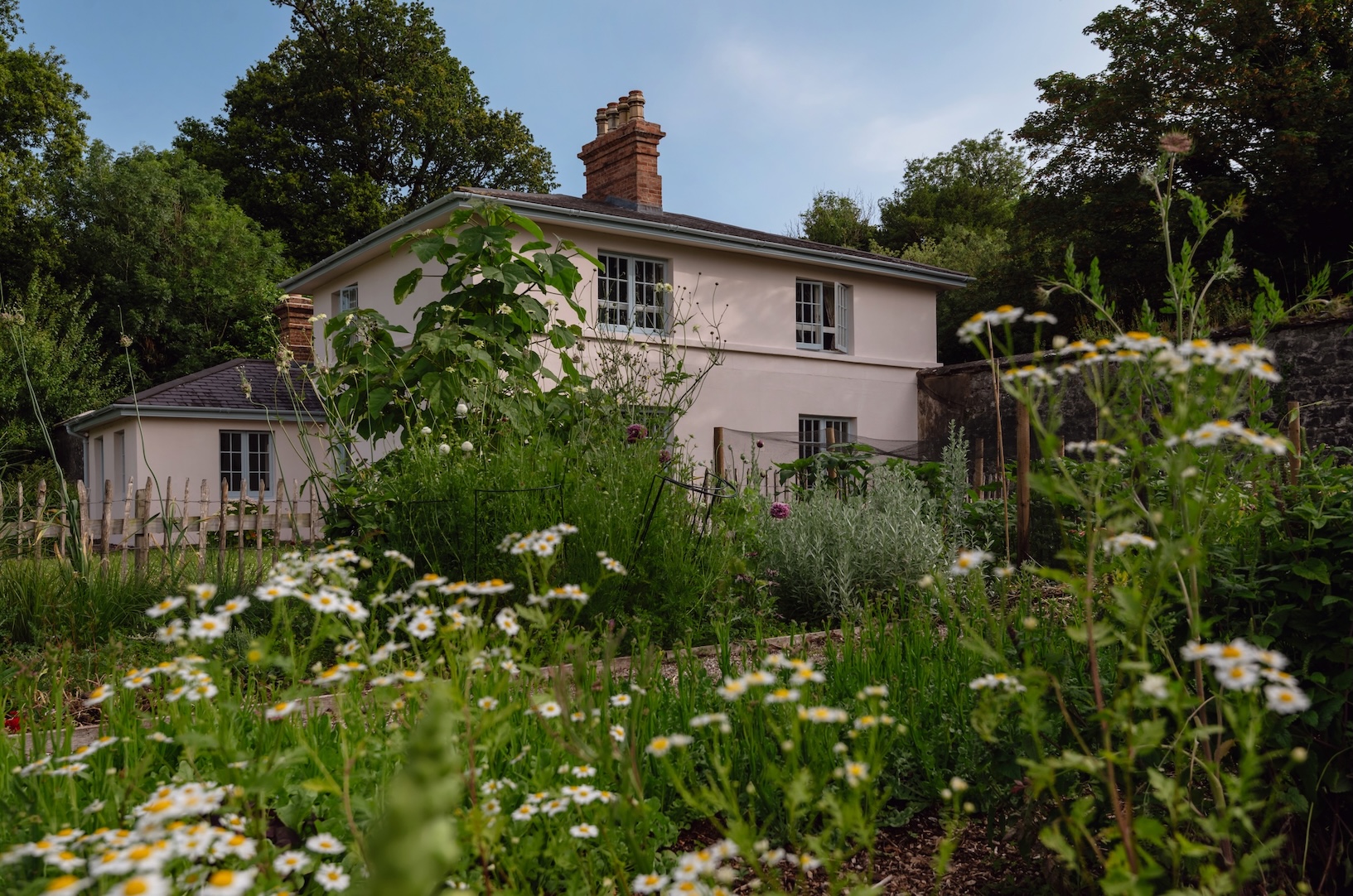
Step inside a historic house nestled at the edge of Fota House’s renowned walled garden.

2 Dogs Allowed

Family Friendly

From €458 for 2 nights

Sleeps 5
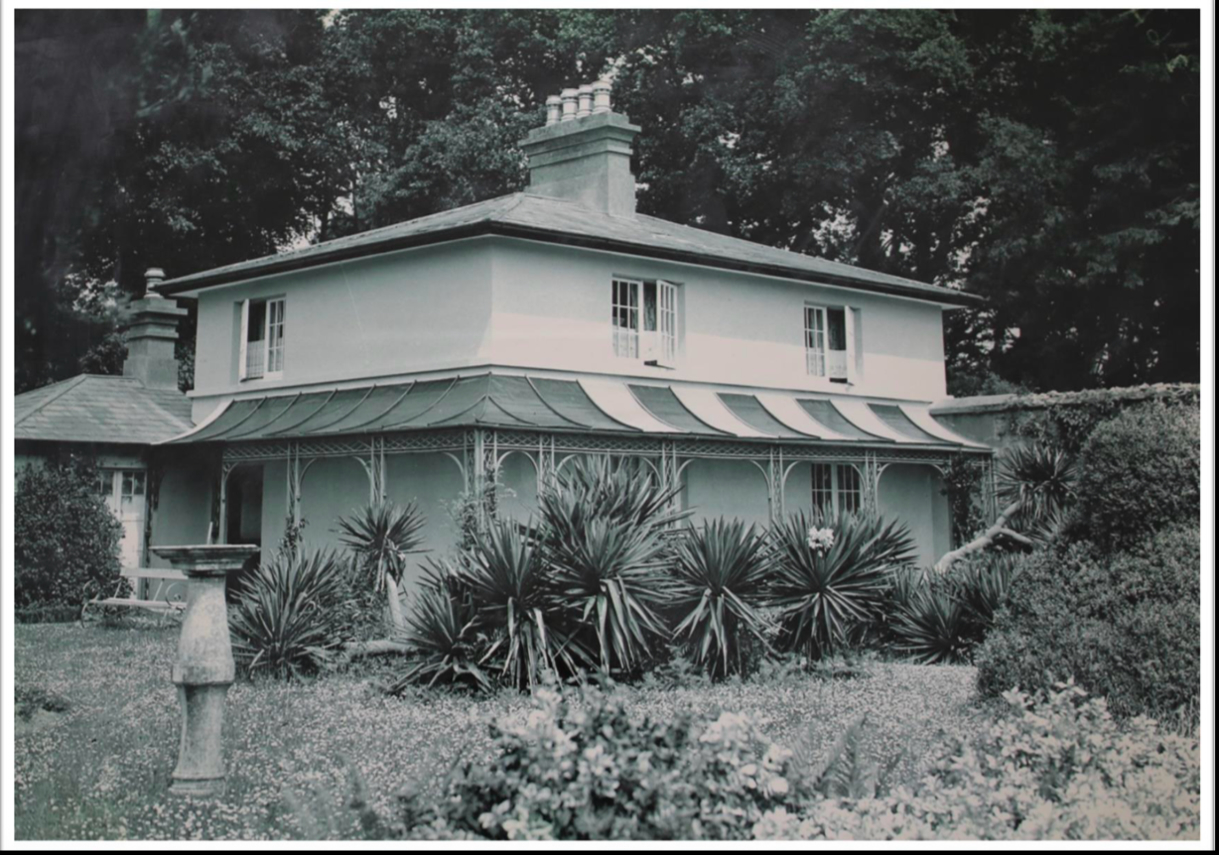
Head Gardener’s House in the Orchard c. 1930
Two identical houses were built at the Fota Estate, one was for the Farm Manager and the one, above, for the Head Gardener. These two houses form a significant and integral part of the Fota Estate and are closely connected to the rich horticultural heritage of Fota. At one time, country estates like Fota were self-sustaining units. These estates had walled working gardens with orchards and glasshouses, all designed to ensure there was a continual supply of fruit, vegetables and flowers for the house.
Fota House started life as a modest two storey hunting lodge used as a base for fishing, shooting, and exploring Cork Harbour. The estate was owned by the descendants of Philip de Barry, who had been granted ownership of Fota Island after his participation in the Norman invasion of Ireland in the twelfth century. When Fota House became home to the Smith-Barry family in the 1820’s, it was remodelled to fit their ambitions and to show their power and wealth.
In the early nineteenth century, John Smith-Barry (1793-1837) decided to make Fota House is permanent Irish home. In c.1825, John commissioned Richard Morrison (1767–1849) and his son, William Vitruvius Morrison (1794–1838), to extend the existing lodge into the Regency mansion in existence today. The internal partitions of the lodge were removed so opening up the ground floor as a central hall. Additional blocks at either end were created to house the dining room to the north and drawing room to the south.
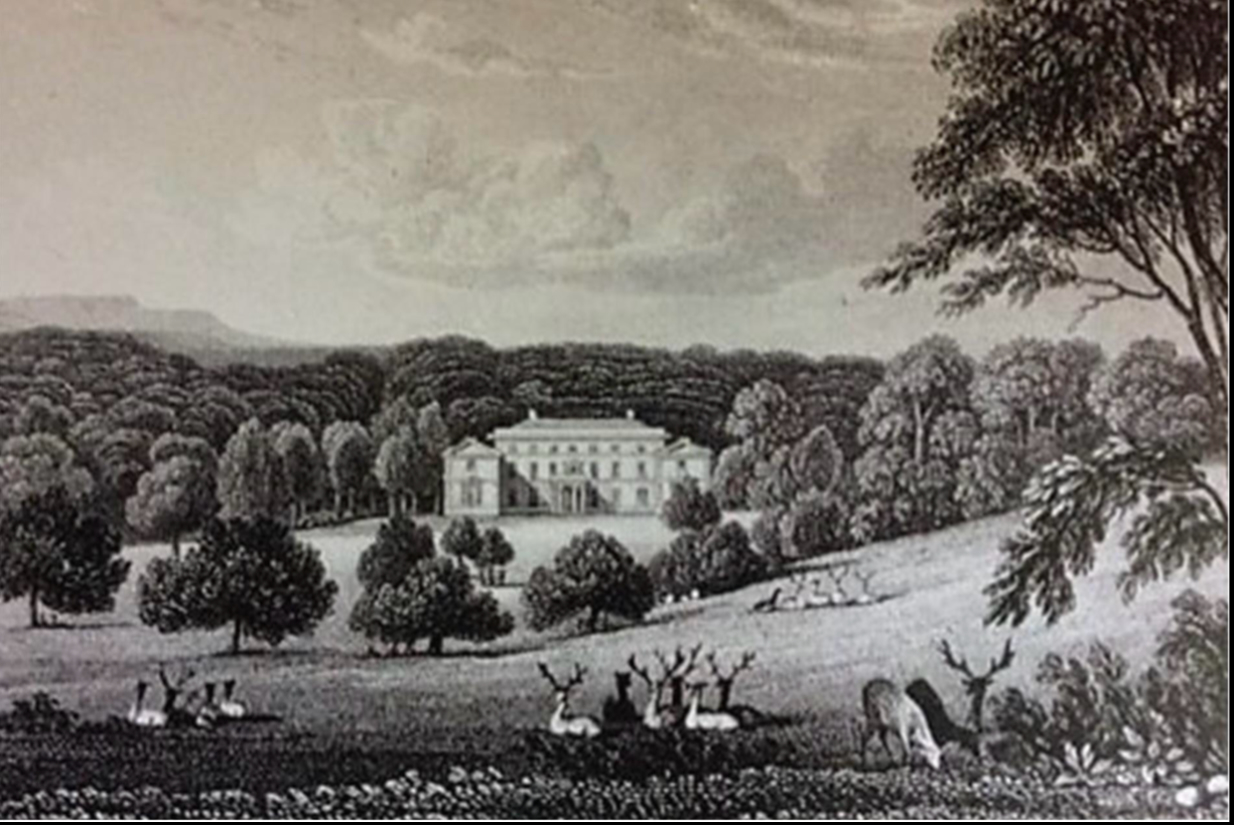
Early engraving of Fota House and Parkland by John Preston Neale, 1828
The centrepiece of Fota House is the remodelled hall, one of the finest neo-classical interiors in Ireland. Entered through a Roman Doric portico carved from blue limestone, paired Ionic columns in a rich yellow scagliola, a simulated marble produced from marble chips, give a strong architectural character to the hall. The large dining room to the left of the hall, also features an elegant screen of columns, this time fashioned from a grey scagliola with impressive Corinthian capitals.
John Smith-Barry acquired a reputation for generous hospitality and was nicknamed ‘John the Magnificent’. The impressive hall and suite of reception rooms all stemmed from John’s desire to entertain, if not impress, visiting guests. Later nineteenth-century improvements included the billiard room built in 1872 and a conservatory which was adapted in 1897 as the present long gallery.
The last member of the Smith-Barry family to live in Fota House was Dorothy Bell (1894–1975), daughter of Arthur Smith-Barry, 1st Baron Barrymore (1843–1925). She continued to develop and record the plant collections which her family had started in the 1840’s. On Dorothy’s death in 1975, the estate was sold and later fell into disrepair. In December 2007, the Irish Heritage Trust took over responsibility for Fota House. Following a major project, the gardens and glasshouses have been restored and the walled garden is once again productive. Now a collaboration between Irish Heritage Trust and Irish Landmark Trust gives the Head Gardener’s House a new life as heritage holiday accommodation so a new generation has the opportunity to enjoy and experience staying in the walled garden.
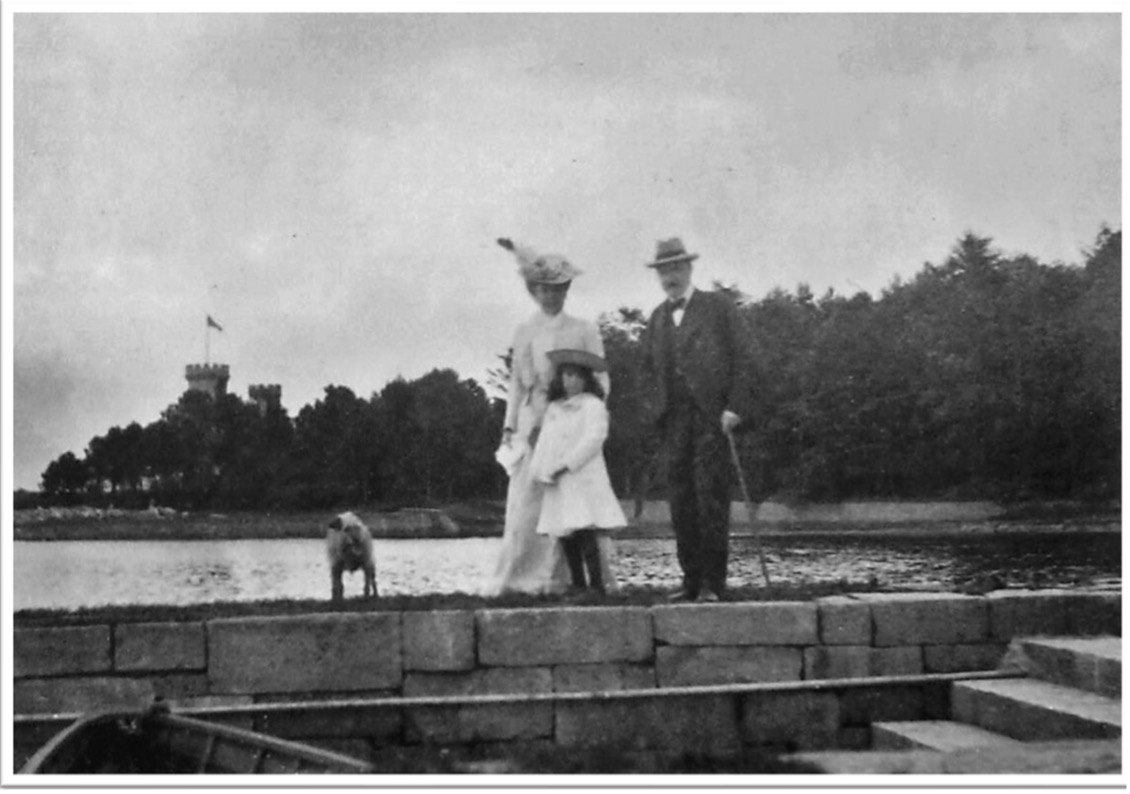
Lord and Lady Barrymore, Dorothy and Molly the dog on the slipway with Fota Castle in the background, 1902.
Fota House and its grounds occupy a sheltered wooded island in Cork Harbour and benefit from an extremely temperate microclimate which is ideal for a great diversity of rare and tender perennial plants. The estate had long been renowned for the expertise of the Smith-Barrys and their gardeners. The layout and structure of the arboretum and gardens date largely from the tenure of the Smith-Barry family, who recognised the significance of Fota’s sheltered location and warm soil. “Fota” is derived from the Irish “Fód te” meaning warm soil.
A number of gardeners were required to create and maintain these gardens and most importantly, a Head Gardener to oversee everything. The Head Gardener’s position was an important one and came with accommodation. There is no record of the house on the First Edition Ordnance Survey of 1842 although the orchard is clearly visible.
However, an estate map dating from the 1840’s and held in the archives of Fota House, shows the house clearly marked in the north-east corner of the Orchard. So a date of circa the mid nineteenth-century would fit with the Smith-Barry family beginning their plant collections for the gardens and arboretum.
Stylistically the house is fairly plain with overhanding eaves and simple cornices and fireplaces. A photograph from 1905 shows a very well established garden around the house and a now long vanished, cast iron veranda which added a smart stylistic element to the house. Remnants of the iron fixings can still be seen in the tiled path around the outside of the house.
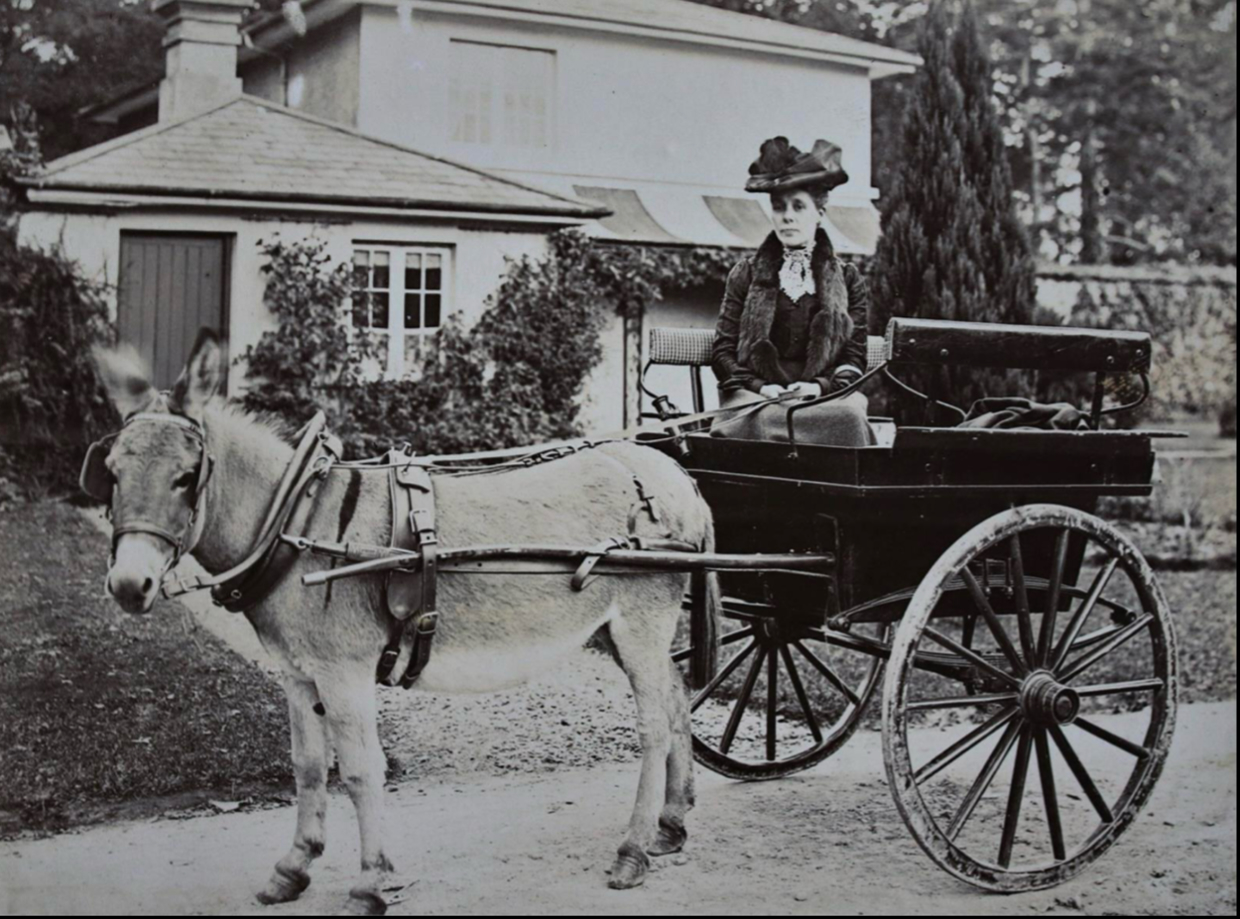
Eliza Beswick, wife of the Head Gardener William Beswick (c.1901 – 1915) in front of the Head Gardener’s House c.1905
The Head Gardener at Fota was considered one of the most senior members of staff and held an important position with a lot of authority. He had the use of a fine house in the Orchard at Fota. The Head Gardener on a big estate like Fota did not carry out manual work, rather he would have overseen others doing so. His role was extensive and he shouldered a great deal of responsibility. The single story room beside the kitchen with its own separate entrance was the Head Gardener’s office. Here he would have given daily instructions to the gardeners, ordered seeds, planned to grow exotic fruit and vegetables under glass for special events etc. He was the manager of a complex and intricate business.
As well as having extensive botanical and horticultural knowledge, the Head Gardener supervised the park, pleasure gardens, the kitchen garden, the orchard and arboretum, and he was entrusted with nurturing rare and exotic trees and shrubs imported from abroad. He also oversaw the maintenance of the glasshouse heating system and designed seasonal planting schemes in consultation with the Smith-Barry family. Each year William Beswick produced over 100,000 bedding plants for the formal gardens and parterre.
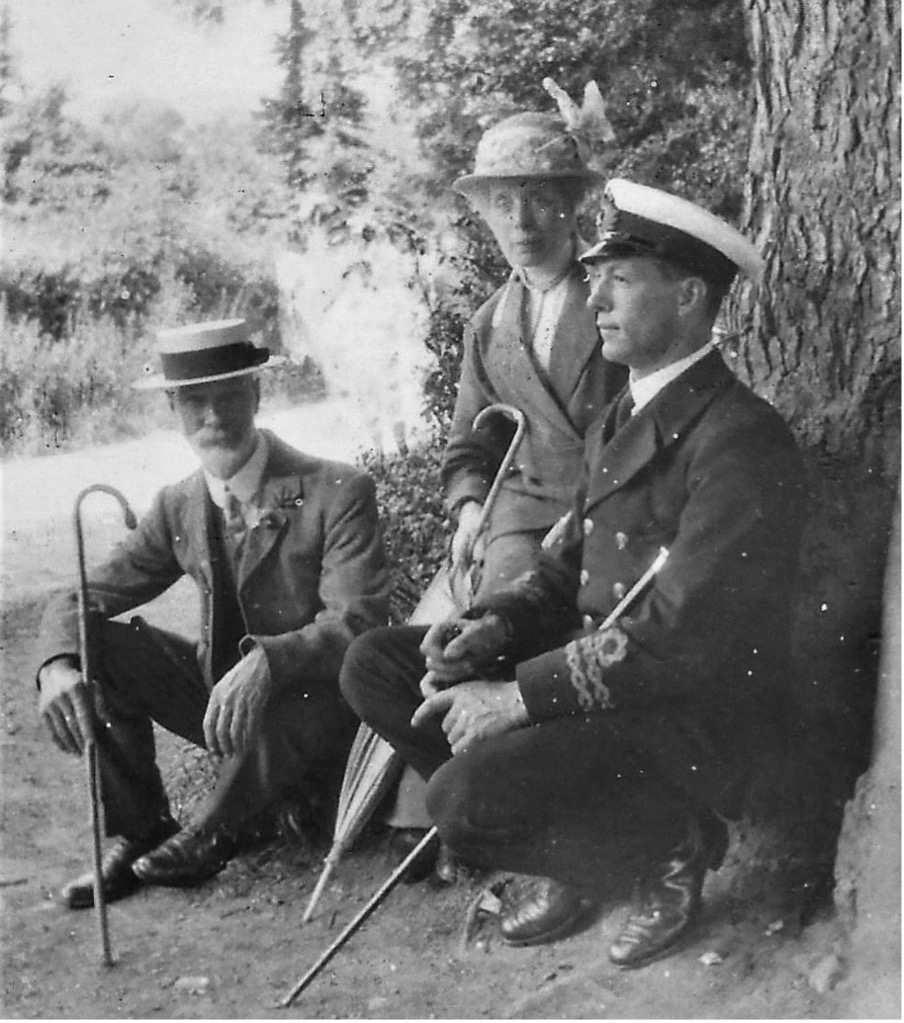
William Beswick, his wife Eliza and their son Arthur, who enlisted in the Navy in WW1, near the lily pond at Fota c.1915. They had three sons, Arthur, William and John Charles. John Charles went to Kew to train as a gardener. He enlisted in 1915 and died on the Western Front in 1917.
Surprisingly, the Head Gardener was also required to be an accomplished florist as he had the responsibility of decorating the dining table with floral arrangements and he also supplied cut flowers and pot plants for the house. The working walled garden had to provide a constant supply of fruit and vegetables to feed not just the Smith-Barry family but also the army of servants. The Head Gardener also had to establish a good working relationship with the house staff. He liaised with the Cook regarding the supply of produce and was kept up to date with the family’s social calendar by the Butler or Housekeeper so that he could grow exotic specialities under glass for special occasions at the house.
Despite these extensive responsibilities and long working hours, the Head Gardener typically worked a 60 hour week with unpaid duties on Sunday, the average wage was around £50 per year with the use of a house and supply of coal and vegetables.
Many gardeners trained for between 10 – 14 years working their way up from pot boy to apprentice to journeyman and then foreman before finally reaching the position of Head Gardener. Good Head Gardeners were very sought after and they often moved around from house to house. William Osborne worked for the Tremayne family at Heligan in Cornwall before he came to Fota in the 1860’s.
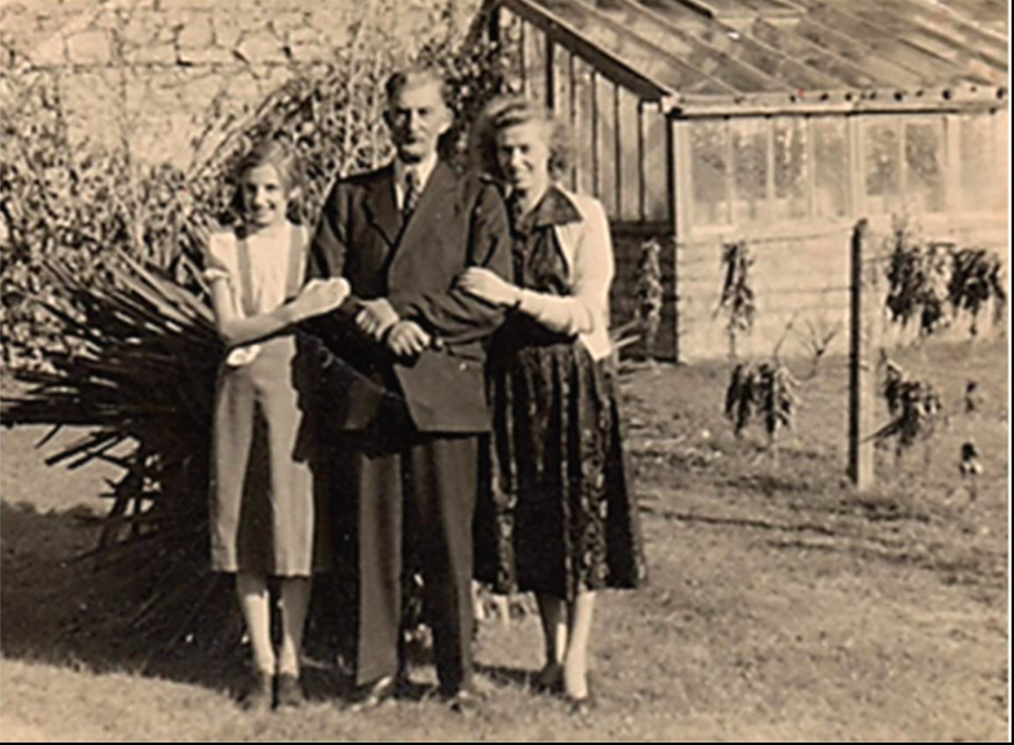
Thomas Leggett, Head Gardener at Fota from 1943 - 1963 with two of his daughters.
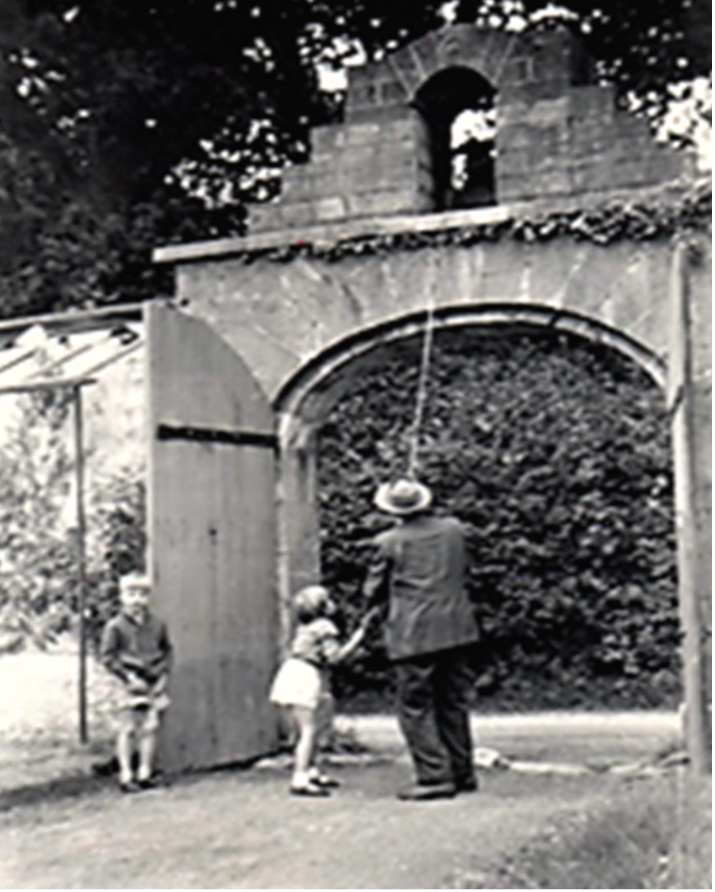
Thomas Leggett with two of his grandchildren at the Bell Gate in the Orchard.
The bell was used to call the gardeners to work.
-
HEALTH AND SAFETY
Our buildings were made to the standards of earlier times – and sometimes without the intention that they should be lived in. Consequently, you may encounter features that reflect their particular character but that deserve due care and attention, particularly by the young, elderly, less mobile or visually impaired. Examples include steps worn with age, uneven surfaces, low ceilings and beams, unexpected drops or changes in level, and by modern standards low or absent lighting. In all cases we have sought to make a sensible compromise between due regard for safety and the careful retention of the fabric of each building, which makes it an interesting place to stay. We ask you to appreciate and use the building with this understanding. If you have any queries, please contact Irish Landmark at bookings@irishlandmark.com.
-
Arrival and Departure Time?
Check-in is from 4pm. Check-out is by 10am. The specific arrival time must be agreed with your House Manager at least four days before your stay begins.
-
Is there a TV?
No, but there is a radio, board games, cards and plenty of books.
-
Is there WiFi?
No, at our properties you have an opportunity to experience the best of a former way of life: beautiful architecture, fascinating history and a peaceful relaxed ambiance, without modern electronic distractions, where you decide the pace of your holiday.
-
Can I bring a dog?
Yes – there is a fee of €30 per dog per stay, added at the time of booking. Up to 2 dogs are welcome. Our Taking a Dog policy will apply. Please read the property's note about dogs in the front garden, they must be on lead and supervised at all times.
-
Is there an open fire and do you supply fuel?
No. The fireplaces at this property are currently not in use.
-
Do I need a car to get here?
A car is useful but not essential. Fota railway station is located on the island and provides direct rail connections to Cork city and Cobh, making this one of the few ILT properties easily accessible by public transport. However, a car is helpful for transporting bags, reaching local shops, and exploring the wider area.
-
How do I get the keys?
When you complete your booking, you will receive an email giving you information about arranging access on your arrival date.
-
Can I arrive early?
Only by special arrangement with the Bookings Office and agreement of the House Manager. A charge applies if a morning arrival is requested, as this prevents a booking for the night before your arrival date.
-
What is the latest departure time?
10.00am. The House Manager will discuss arrangements for your departure on the day you arrive.
-
How far to the nearest town?
Carrigtwohill is approximately a 10-minute drive. Cork city is approximately 20 minutes by car, or a short train journey from Fota station.
-
Where can I find information about the local area?
Each of our properties contains a Green Book catered to that specific property. In this book, we have compiled all of the necessary information about important local amenities such as medical centres and taxi services, including locations and phone numbers. You will also find tips for recommended restaurants, bars, and things to see and do for all ages.
-
Is there a caterer who will come in to cook meals?
Irish Landmark Trust can connect guests to private dining services at certain properties. Please contact us to find out more.
-
Is it suitable for children?
Yes.
-
Is it suitable for older people?
Yes, although those with limited mobility should note that all bedrooms and the bathroom are upstairs.
-
Does it have facilities for disabled people?
There are no facilities for disabled people. The property is a two-storey building with all bedrooms and the bathroom upstairs. It is not suitable for wheelchair users.
-
Is it suitable for a wheelchair?
No.
-
Is there central heating?
There are electric radiators throughout the house.
-
Is the cooker electric or gas?
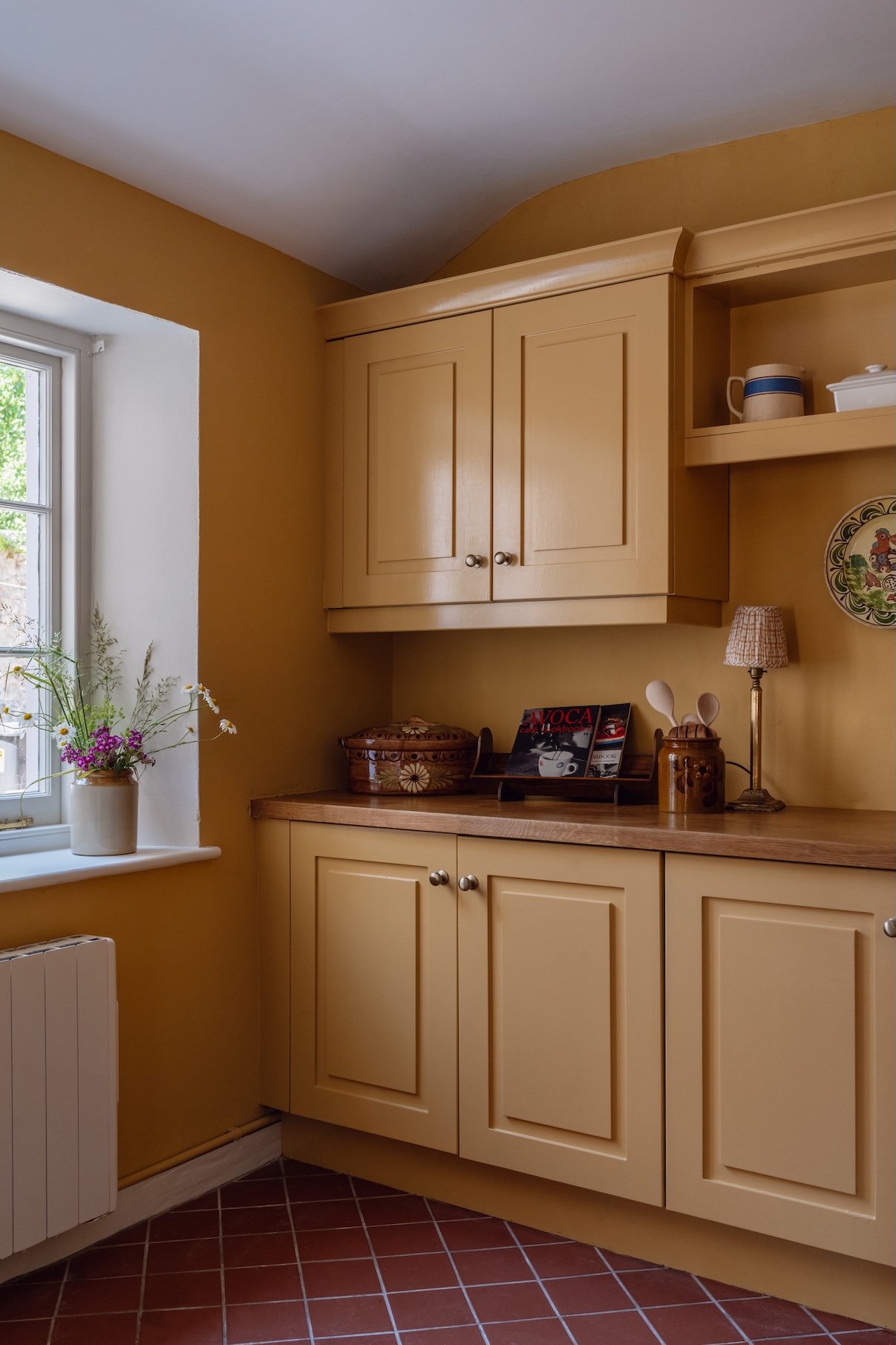
Electric cooker.
-
Is there a shower?
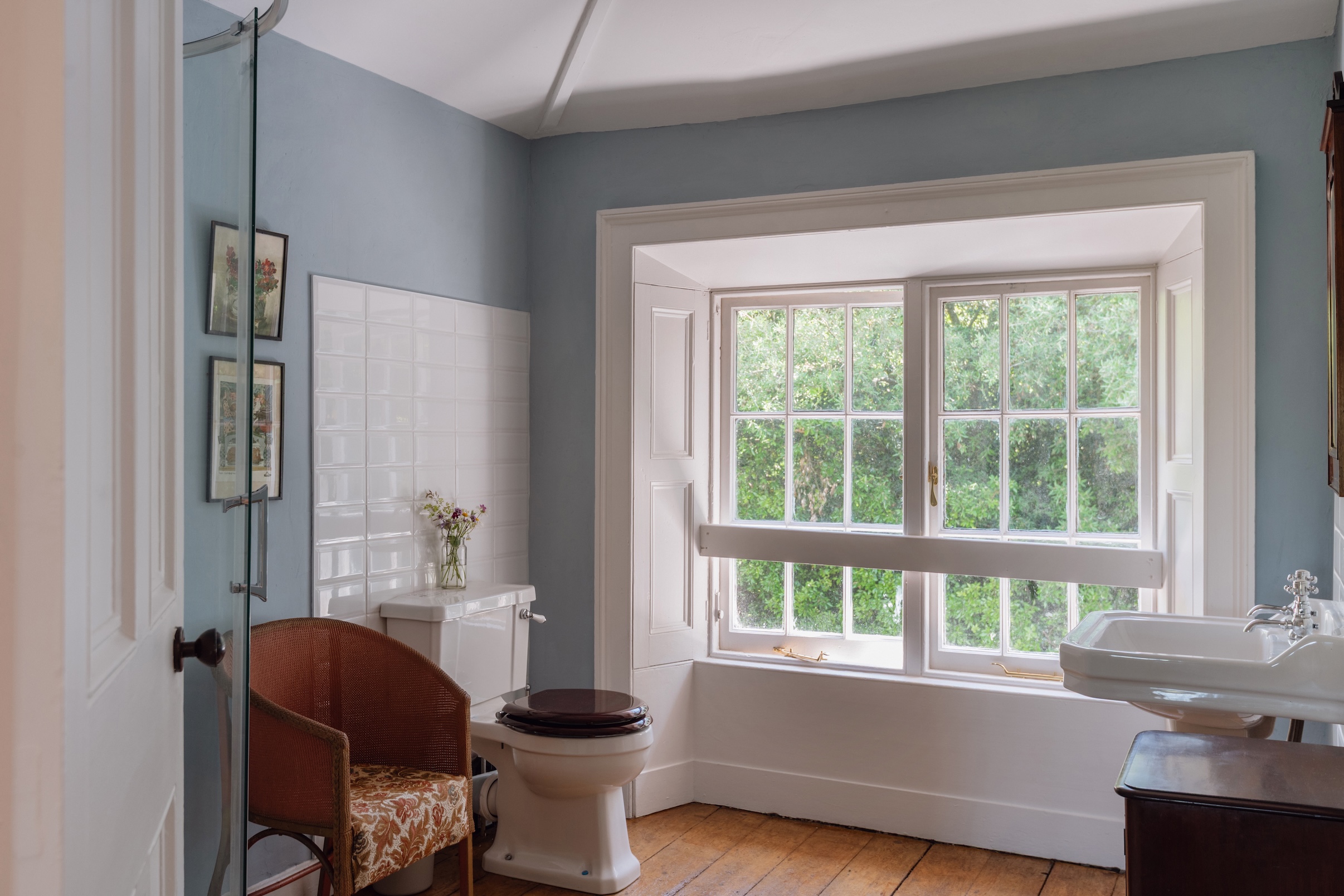
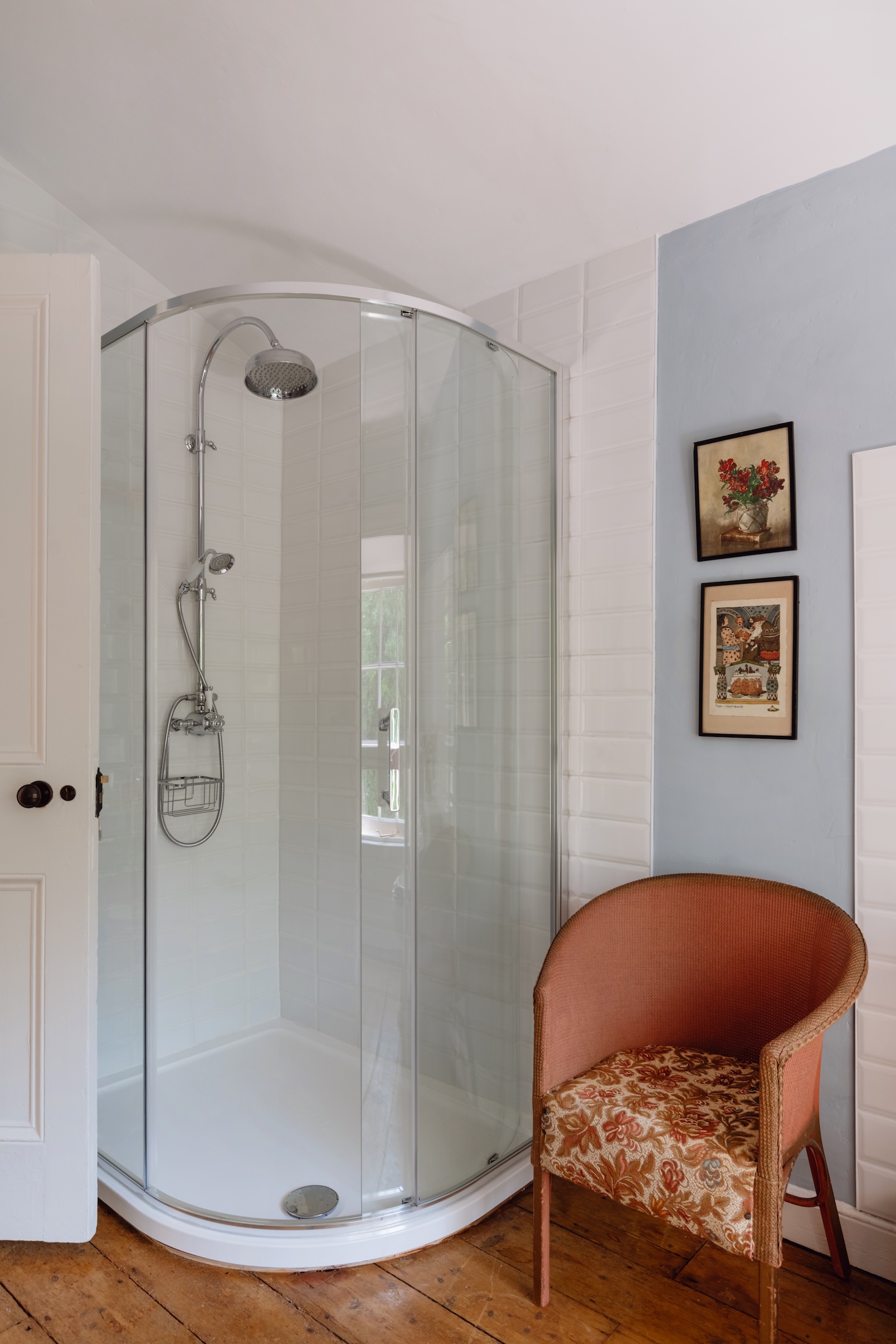
Yes – there is a shower in the bathroom. There is no bath.
-
How many bathrooms?
1
-
Can I get to the house by public transport?
Yes. Fota railway station is located on the island and provides direct services to Cork city and Cobh. The station is a 15-minute walk from the property - please take care along this route in the evening as there are no streetlights and some potholes.
-
Where is the nearest train station?
Fota. The station is on Fota Island and provides direct connections to Cork city and Cobh.
-
What is your minimum booking period?
Irish Landmark Trust have a 2 night stay minimum at all of our properties. Some Special Dates will have restrictions on arrival and departure date which will effect the minimum number of nights.
-
Is there a garden and outdoor furniture at the house?
Yes. There is an enclosed garden and a courtyard with outdoor seating.
-
Is there parking onsite?
Parking is reserved for guests along the private service road adjacent to the property – space for 2 cars.
-
What condiments and products do you supply?
We supply teabags, coffee granules, sugar, salt & pepper, cooking oil, tin foil & kitchen roll, handwash, washing up liquid, dishwashing cloths, and dishwasher tablets. We do not supply any other cleaning products that contain chemicals, including laundry detergents – we suggest you bring your own.
-
Can I access the kitchen garden & orchard?
No. Although it shares space with the property, the kitchen garden it is not open to guests or the general public – please respect the workplace and do not enter.
-
Can I access Fota House's gardens?
Yes! You can visit the Arboretum & Gardens without a tour but you must do so via the main visitor entrance – there is no access from Head Gardener's House. Your House Manager will show you the best walking route from the property.
-
Can I visit Fota House?
Yes! We highly recommend a tour of Fota House. You must arrive via the main entrance, there is no access from the Head Gardener's House. Guests of ILT can avail of special discount at the House, Café and gift shop - details upon booking. Check fotahouse.com for seasonality and opening hours. Your House Manager will show you the best walking route from the property.
-
Can I charge my electric vehicle at the property?
EV charging is not available at the property. Please use the nearest public charging point.
HOW TO BOOK AN IRISH LANDMARK HOLIDAY :
It is possible to reserve dates online at www.irishlandmark.com but bookings are not confirmed until a confirmation email is received from the Bookings Office.
BOOKING:
Your booking must be for holiday purposes only. Irish Landmark reserve the right to refuse hire for purposes other than holiday accommodation. When you make a booking, you accept full responsibility for all persons who will use or visit the property during the period booked. When you book, you agree to indemnify us against all loss and damage arising directly or indirectly to the property and its contents from any deliberate or negligent act or omission by yourself, or any person accompanying you.
CONTRACT OF HIRE:
The hiring contract shall be between the Hirer and Irish Landmark and made subject to these Booking Conditions. The Contract of Hire is not effective until Irish Landmark dispatches to the Hirer written confirmation of a booking.
It is the Hirer’s responsibility to ensure that their contact details are correct and up to date with Irish Landmark.